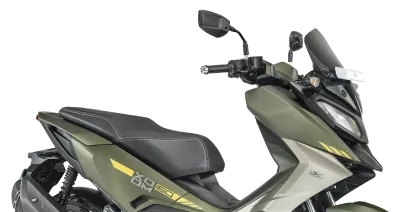
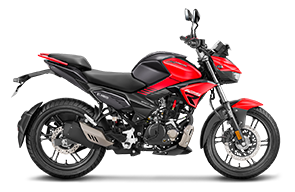
XTREME 160R 4V
163.2 cc engine

163.2 cc engine

250 cc engine
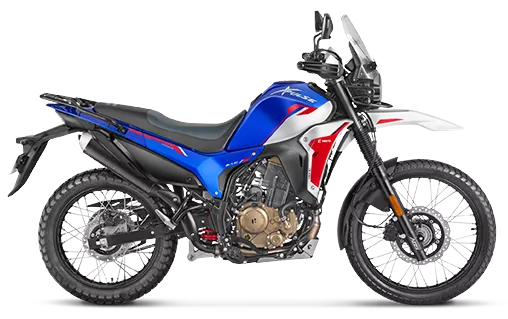
210 cc engine
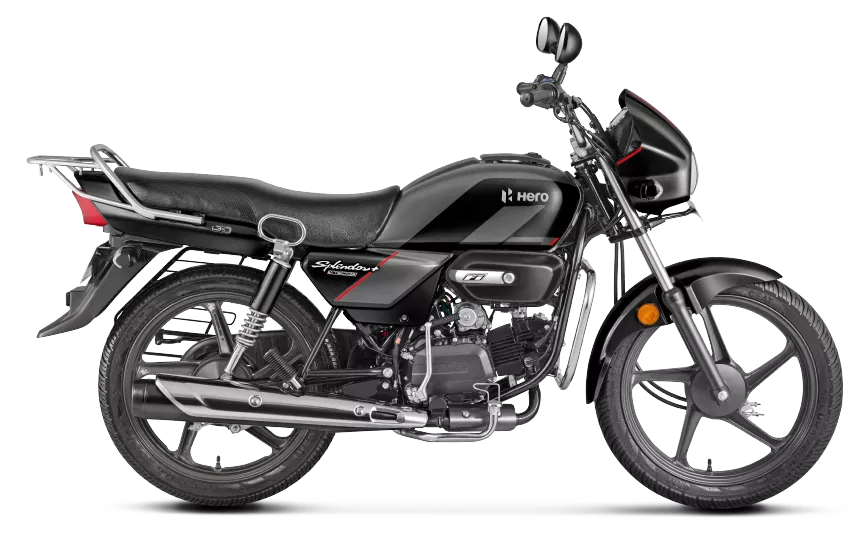
97.2 cc engine
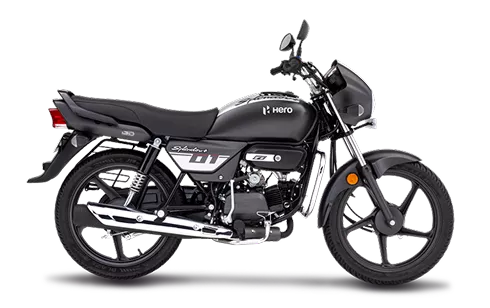
97.2 cc engine
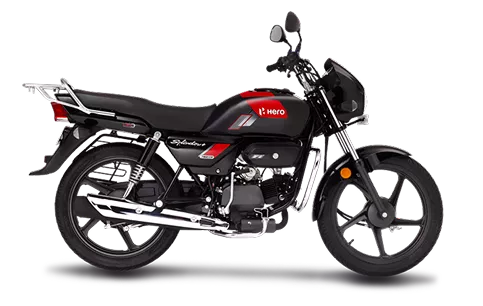
97.2 cc engine
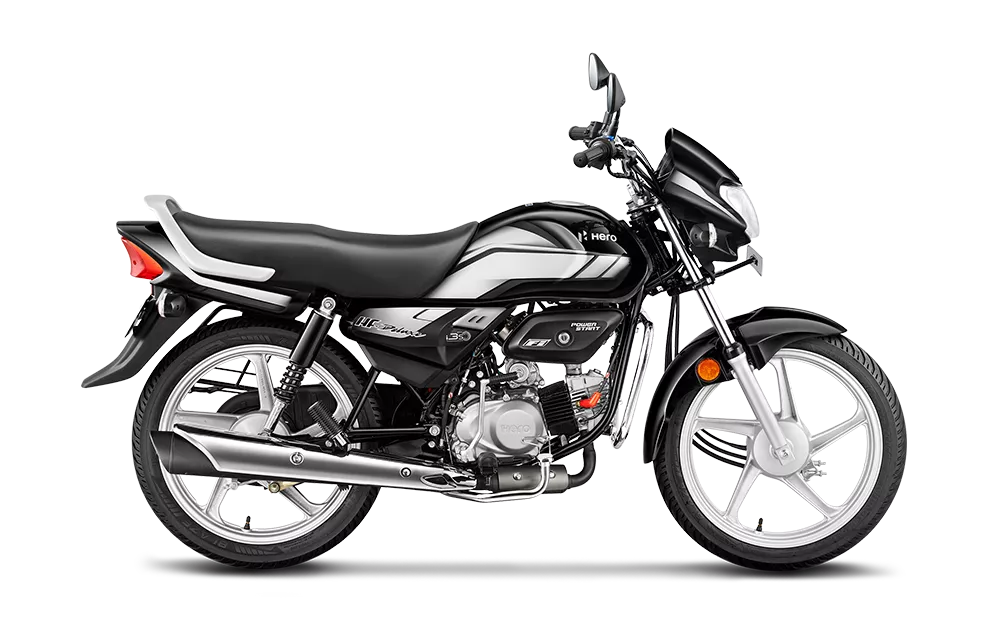
97.2 cc engine
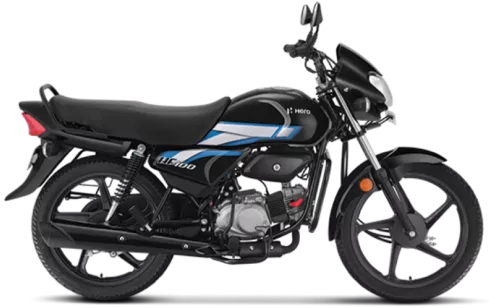
97.2 cc engine
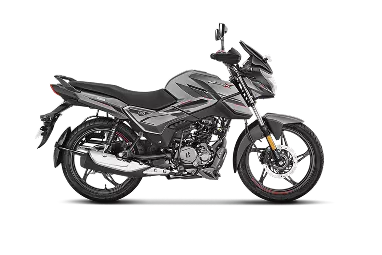
125 cc engine
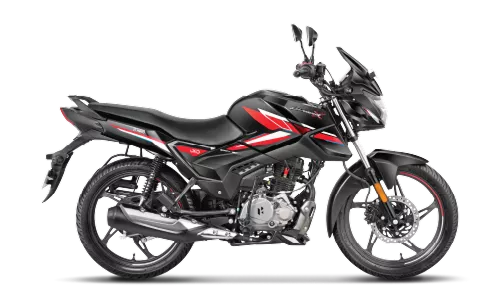
125 cc engine
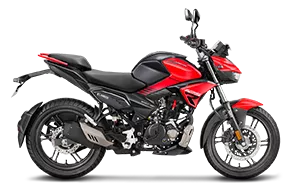
125 cc engine
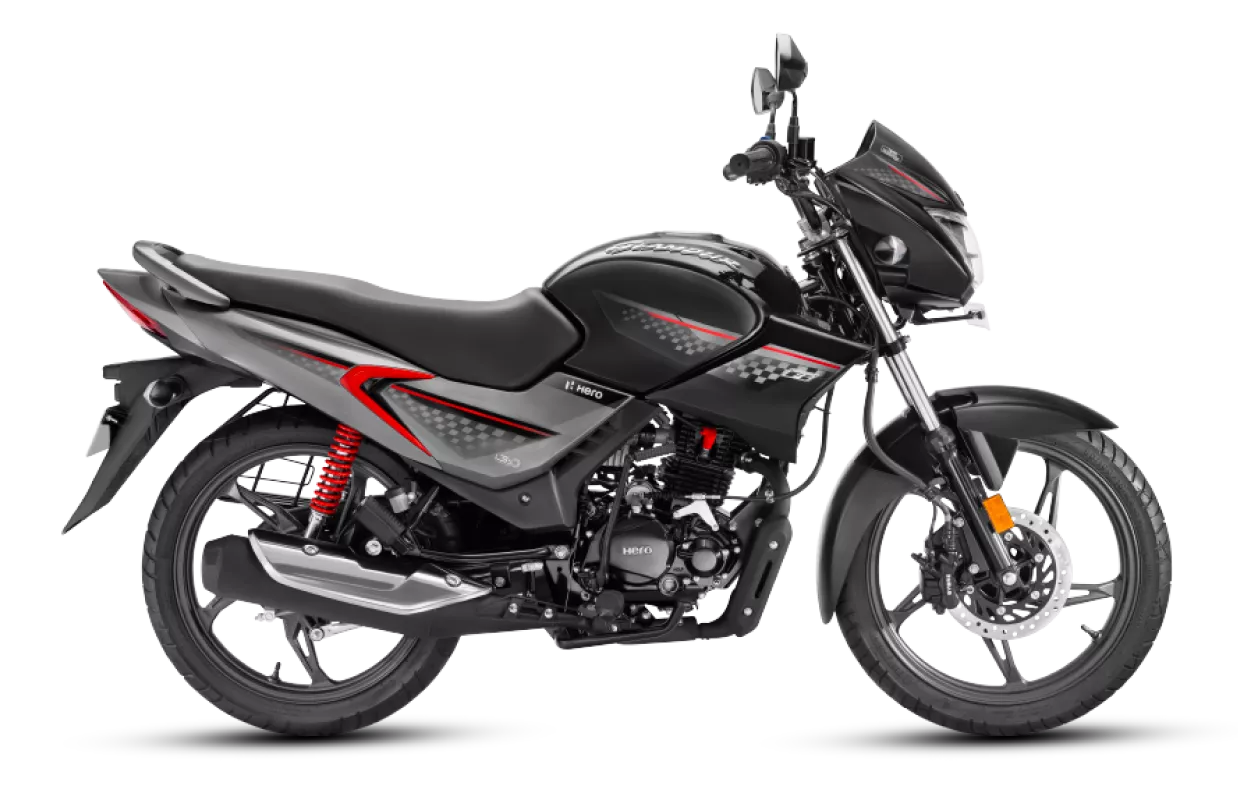
125 cc engine
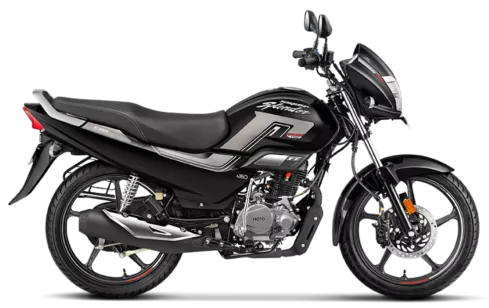
124.7 cc engine
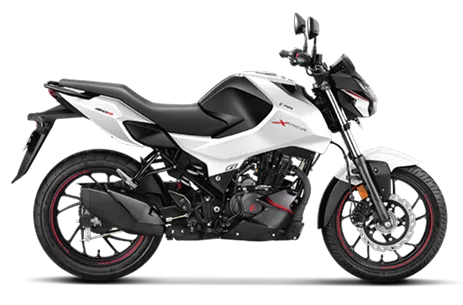
163.2 cc engine
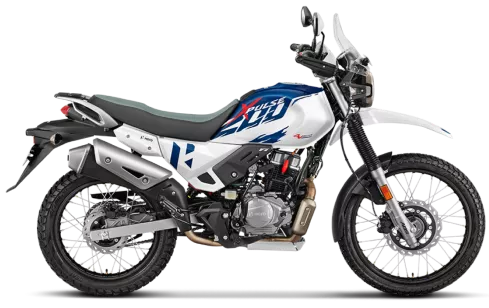
199.6 cc engine
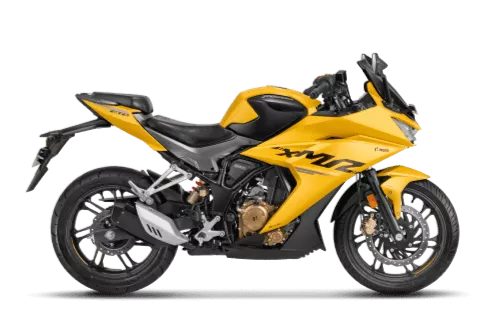
210 cc engine
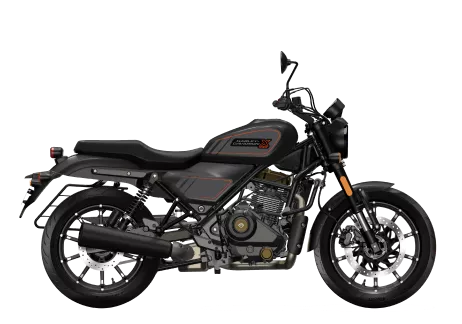
440 cc engine
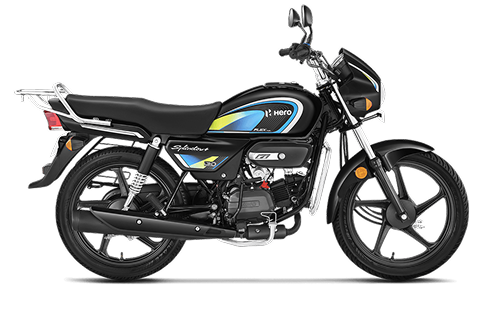
97.2 cc engine
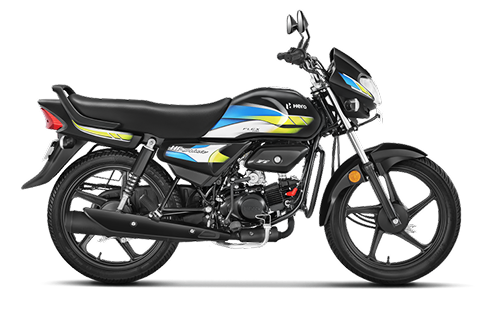
97.2 cc engine

97.2 cc engine
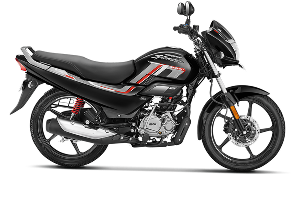
124.7 cc engine
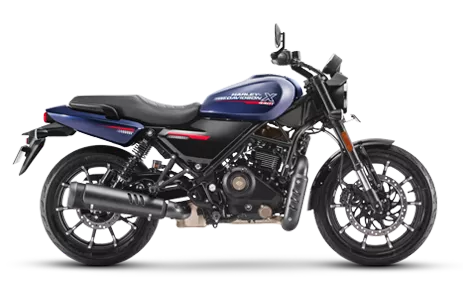
440 cc engine

163.2 cc
Air oil cooled, 4-stroke, Single cylinder, OHC
14.6 nm
@6500 RPM
Starting ex-showroom price
Delhi, Delhi

250 cc
4 Stroke, 4 Valve, Single Cylinder Liquid Cooled, DOHC
25 nm
@7250 RPM
Starting ex-showroom price
Delhi, Delhi
210 cc
4 Stroke 4 Valve Single Cylinder Liquid Cooled DOHC
20.7 nm
@7250 RPM
Starting ex-showroom price
Delhi, Delhi
97.2 cc
Air cooled, 4-stroke, Single cylinder, OHC
8.05 nm
@6000 RPM
Starting ex-showroom price
Delhi, Delhi
97.2 cc
Air cooled, 4-stroke, Single cylinder, OHC
8.05 nm
@6000 RPM
Starting ex-showroom price
Delhi, Delhi
97.2 cc
Air cooled, 4-stroke, Single cylinder, OHC
8.05 nm
@6000 RPM
Starting ex-showroom price
Delhi, Delhi
97.2 cc
Air cooled, 4-stroke, Single cylinder, OHC
8.05 nm
@6000 RPM
Starting ex-showroom price
Delhi, Delhi
97.2 cc
Air cooled, 4-stroke, Single cylinder, OHC
8.05 nm
@6000 RPM
Starting ex-showroom price
Delhi, Delhi
125 cc
Air cooled, 4-Stroke
8.5 kW
@8250 RPM
Starting ex-showroom price
Delhi, Delhi
125 cc
Air cooled, 4-Stroke
10.5 nm
@6500 RPM
Starting ex-showroom price
Delhi, Delhi
125 cc
5.7 sec, Acceleartion 0-60kmph
10.5 nm
@6500 RPM
Starting ex-showroom price
Delhi, Delhi
125 cc
Air cooled, 4-stroke, Single cylinder, OHC
10.6 nm
@6000 RPM
Starting ex-showroom price
Delhi, Delhi
124.7 cc
Air Cooled, 4-Stroke, OHC, Single Cylinder
10.6 nm
@6000 RPM
Starting ex-showroom price
Delhi, Delhi
163.2 cc
Air Cooled 4 stroke
14 nm
@6500 RPM
Starting ex-showroom price
Delhi, Delhi
199.6 cc
Oil Cooled, 4 stroke 4 Valve single cylinder OHC
17.35 nm
@6500 RPM
Starting ex-showroom price
Delhi, Delhi
210 cc
Liquid cooled, 4-stroke, Single cylinder, OHC
20.4 nm
@4000 RPM
Starting ex-showroom price
Delhi, Delhi
440 cc
Air cooled, 4-stroke, Single cylinder, OHC
38 nm
@4000 RPM
Starting ex-showroom price
Delhi, Delhi
97.2 cc
Air cooled, 4-stroke, Single cylinder, OHC
8.3 nm(with E85)
@ 6000 RPM
Starting ex-showroom price
Delhi, Delhi
97.2 cc
Air cooled, 4-stroke, Single cylinder, OHC
8.3 nm(with E85)
@ 6000 RPM
Starting ex-showroom price
Delhi, Delhi
97.2 cc
Air cooled, 4 stroke
8.05 nm
@6000 RPM
Starting ex-showroom price
Delhi, Delhi
124.7 cc
2V,Air cooled, 4 stroke single cylinder
10.6 nm
@ 6000 RPM
Starting ex-showroom price
Delhi, Delhi
440 cc
Air cooled, 4-stroke, Single cylinder, OHC
38 nm
@4000 RPM
Starting ex-showroom price
Delhi, Delhi

163.2 cc engine
250 cc engine
210 cc engine
97.2 cc engine
97.2 cc engine
97.2 cc engine
97.2 cc engine
97.2 cc engine
125 cc engine
125 cc engine
125 cc engine
125 cc engine
124.7 cc engine
163.2 cc engine
199.6 cc engine
210 cc engine
440 cc engine
97.2 cc engine
97.2 cc engine
97.2 cc engine
124.7 cc engine
440 cc engine
163.2 cc
Air oil cooled, 4-stroke, Single cylinder, OHC
14.6 nm
@6500 RPM
250 cc
4 Stroke, 4 Valve, Single Cylinder Liquid Cooled, DOHC
25 nm
@7250 RPM
210 cc
4 Stroke 4 Valve Single Cylinder Liquid Cooled DOHC
20.7 nm
@7250 RPM
97.2 cc
Air cooled, 4-stroke, Single cylinder, OHC
8.05 nm
@6000 RPM
97.2 cc
Air cooled, 4-stroke, Single cylinder, OHC
8.05 nm
@6000 RPM
97.2 cc
Air cooled, 4-stroke, Single cylinder, OHC
8.05 nm
@6000 RPM
97.2 cc
Air cooled, 4-stroke, Single cylinder, OHC
8.05 nm
@6000 RPM
97.2 cc
Air cooled, 4-stroke, Single cylinder, OHC
8.05 nm
@6000 RPM
125 cc
Air cooled, 4-Stroke
8.5 kW
@8250 RPM
125 cc
Air cooled, 4-Stroke
10.5 nm
@6500 RPM
125 cc
5.7 sec, Acceleartion 0-60kmph
10.5 nm
@6500 RPM
125 cc
Air cooled, 4-stroke, Single cylinder, OHC
10.6 nm
@6000 RPM
124.7 cc
Air Cooled, 4-Stroke, OHC, Single Cylinder
10.6 nm
@6000 RPM
163.2 cc
Air Cooled 4 stroke
14 nm
@6500 RPM
199.6 cc
Oil Cooled, 4 stroke 4 Valve single cylinder OHC
17.35 nm
@6500 RPM
210 cc
Liquid cooled, 4-stroke, Single cylinder, OHC
20.4 nm
@4000 RPM
440 cc
Air cooled, 4-stroke, Single cylinder, OHC
38 nm
@4000 RPM
97.2 cc
Air cooled, 4-stroke, Single cylinder, OHC
8.3 nm(with E85)
@ 6000 RPM
97.2 cc
Air cooled, 4-stroke, Single cylinder, OHC
8.3 nm(with E85)
@ 6000 RPM
97.2 cc
Air cooled, 4 stroke
8.05 nm
@6000 RPM
124.7 cc
2V,Air cooled, 4 stroke single cylinder
10.6 nm
@ 6000 RPM
440 cc
Air cooled, 4-stroke, Single cylinder, OHC
38 nm
@4000 RPM
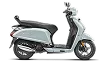
110 cc engine
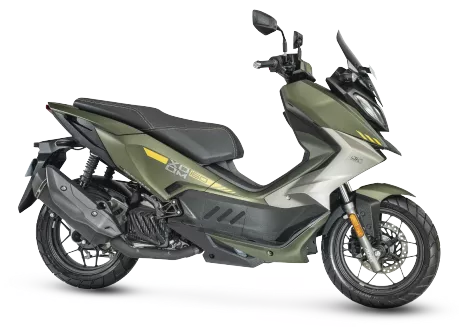
156 cc engine
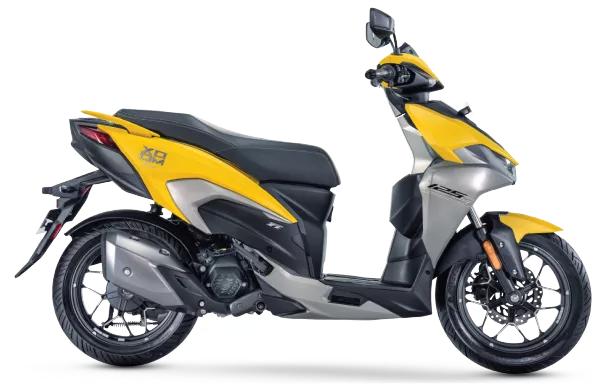
124.6 cc engine
125 cc engine
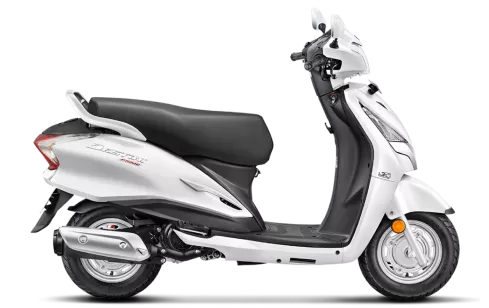
124.6 cc engine
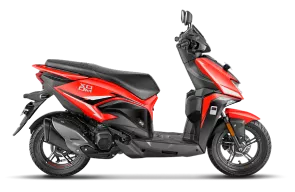
110.9 cc engine
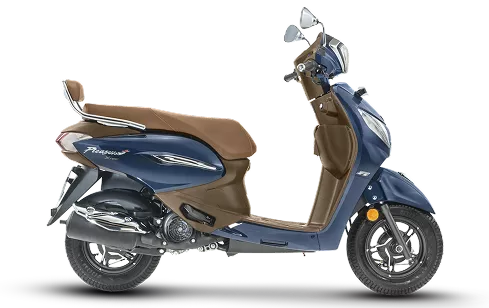
110.9 cc engine
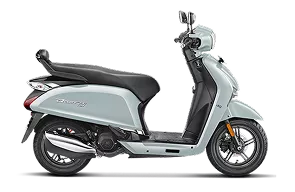
110 cc
Air Cooled, 4 stroke engine
8.7 nm
@5750 RPM
Starting ex-showroom price
Delhi, Delhi
156 cc
Liquid cooled, 4 Valve single cylinder SOHC
14 nm
@6250 RPM
Starting ex-showroom price
Delhi, Delhi
124.6 cc
Air Cooled, 4 stroke, SI
10.4 nm
@6000 RPM
Starting ex-showroom price
Delhi, Delhi
125 cc
Air cooled, 4 stroke, SI engine
10.4 nm
@5500 RPM
Starting ex-showroom price
Delhi, Delhi
124.6 cc
Air Cooled, 4-Stroke, SI Engine
10.36 nm
@5500 RPM
Starting ex-showroom price
Delhi, Delhi
110.9 cc
Air cooled, 4-stroke, SI engine
8.70 nm
@5750 RPM
Starting ex-showroom price
Delhi, Delhi
110.9 cc
Air cooled, 4-stroke Single Cylinder OHC
8.70 nm
@5500 RPM
Starting ex-showroom price
Delhi, Delhi
110 cc engine
156 cc engine
124.6 cc engine
125 cc engine
124.6 cc engine
110.9 cc engine
110.9 cc engine
110 cc
Air Cooled, 4 stroke engine
8.7 nm
@5750 RPM
156 cc
Liquid cooled, 4 Valve single cylinder SOHC
14 nm
@6250 RPM
124.6 cc
Air Cooled, 4 stroke, SI
10.4 nm
@6000 RPM
125 cc
Air cooled, 4 stroke, SI engine
10.4 nm
@5500 RPM
124.6 cc
Air Cooled, 4-Stroke, SI Engine
10.36 nm
@5500 RPM
110.9 cc
Air cooled, 4-stroke, SI engine
8.70 nm
@5750 RPM
110.9 cc
Air cooled, 4-stroke Single Cylinder OHC
8.70 nm
@5500 RPM


Hero MotoCorp integrates sustainability into every stage of the product lifecycle to minimize our environmental footprint. We deliver innovative mobility solutions through a circular approach:
Our products achieved a recyclability rate exceeding 95%.
Hero MotoCorp surpasses the AIS 129 requirement of 80% recyclability, ensuring our vehicles are designed for a sustainable end-of-life. We calculate recyclability as the percentage of a vehicle’s total mass that can be reprocessed into new materials.
While we prioritize the recovery of high-quality recyclable materials, HMCL maintains a strict policy against part reuse to ensure the highest levels of safety and component longevity.
Reduction or Phase-out of Hazardous Substances from Products:
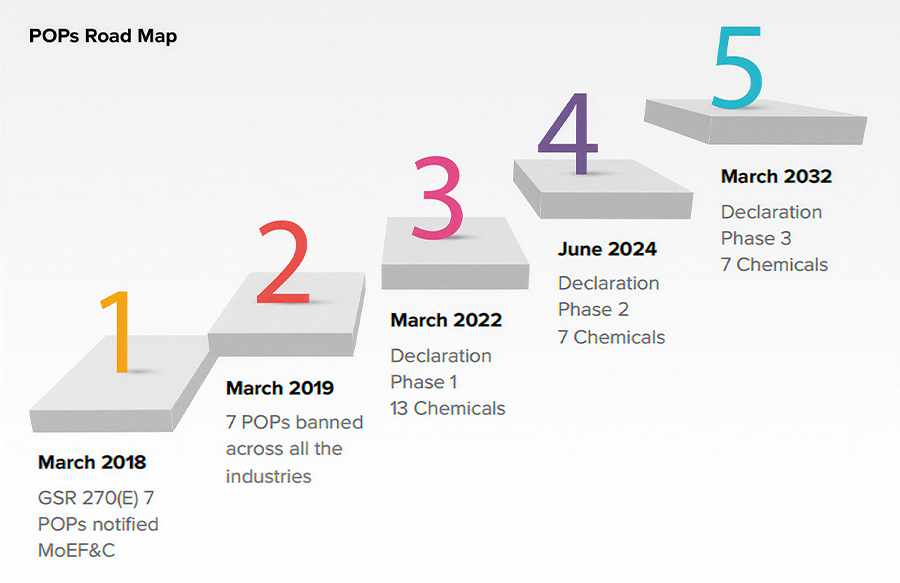
Our commitment to Product Stewardship is twofold: ensuring a safer and healthier environment for both our employees and the communities we operate in, and guaranteeing that our products are free from any hazardous substances. All substances are recorded as per their Chemical Abstracts Service (CAS) numbers listed in Global Automotive Declarable Substance List (GADSL) list. We maintain this commitment throughout our product portfolio.
To achieve this, we have implemented a comprehensive and systematic approach to reduce or eliminate hazardous substances from our products, preventing them from entering our production process and keeping them out of the waste stream. Our products fully comply with the requirements of the Stockholm Convention on Persistent Organic Pollutants (POPs) and the Restriction of Hazardous Substances (RoHS) directive, enabling us to minimize the risks associated with waste and mitigate its impact on human health and the environment.
In line with the Government of India's 2020 mandate (Ministry of Environment, Forest and Climate Change) and the Global Stockholm Convention, we have taken a proactive step by prohibiting the use of seven Persistent Organic Pollutants (POPs) banned by the Indian government. Additionally, we are actively working to address upcoming chemical regulations, demonstrating our dedication to environmental sustainability, responsible practices, and a healthier future for generations to come.
Inspection and Analysis of Hazardous Substances
We are dedicated to minimizing the environmental impact of our products across their entire life cycle.
We are committed to ensuring our products are free of hazardous substances. All substances are recorded by their Chemical Abstracts Service (CAS) numbers and listed in the Global Automotive Declarable Substance List (GADSL).
To achieve this, we have implemented a comprehensive system to reduce or eliminate hazardous substances from our products, preventing them from entering our production process and the waste stream. Our products fully comply with the Stockholm Convention on Persistent Organic Pollutants (POPs) and the Restriction of Hazardous Substances (RoHS) directive, minimizing waste risks and mitigating their impact on human health and the environment.
To this end, we utilize the International Material Data System (IMDS) as a crucial screening tool for all parts and components. This system helps us build a more sustainable product portfolio by reporting on recyclability, recoverability, reusability (RRR), Hazardous substances, Persistent Organic Pollutants (POPs) and heavy metal restrictions (HMR).
This involves collecting material composition data from our suppliers. This data is essential for ensuring compliance, identifying hazardous materials, and meeting RRR requirements, as well as adhering to regulations concerning conflict minerals.
California Proposition 65
Proposition 65 requires businesses to provide warnings to Californians about significant exposures to chemicals that cause cancer, birth defects or other reproductive harm. Proposition 65 also prohibits California businesses from knowingly discharging significant amounts of listed chemicals into sources of drinking water.
Motorcycle or motor driven vehicles may contain Lead, Phthalates and Asbestos and cause long term human health issues. Through IMDS we ensure that these substances must not be present in potential motorcycle parts.
International Material Data System (IMDS) at Hero MotoCorp
The International Material Data System (IMDS) serves as the automotive industry's standard for material data, adopted globally by nearly all Original Equipment Manufacturers (OEMs). IMDS is essential for organizations to comply with both National and International laws, regulations, and standards governing automobile manufacturing.
At HMCL, we utilize IMDS to effectively monitor and restrict hazardous substances, including heavy metals (HMR), Persistent Organic Pollutants (POPs), and substances covered by California Proposition 65.
This system facilitates a two-way reporting process where suppliers generate Material Data Sheets (MDS). These sheets structure data in a Bill of Materials (BOM) format, detailing the chemical composition and weight of each sub-component, along with any applicable hazardous material limit restrictions and cautions. HMCL then reviews, approves, and saves these accepted MDS for substance reporting, while ensuring data confidentiality is maintained. Suppliers retain visibility of their reported information throughout this process.
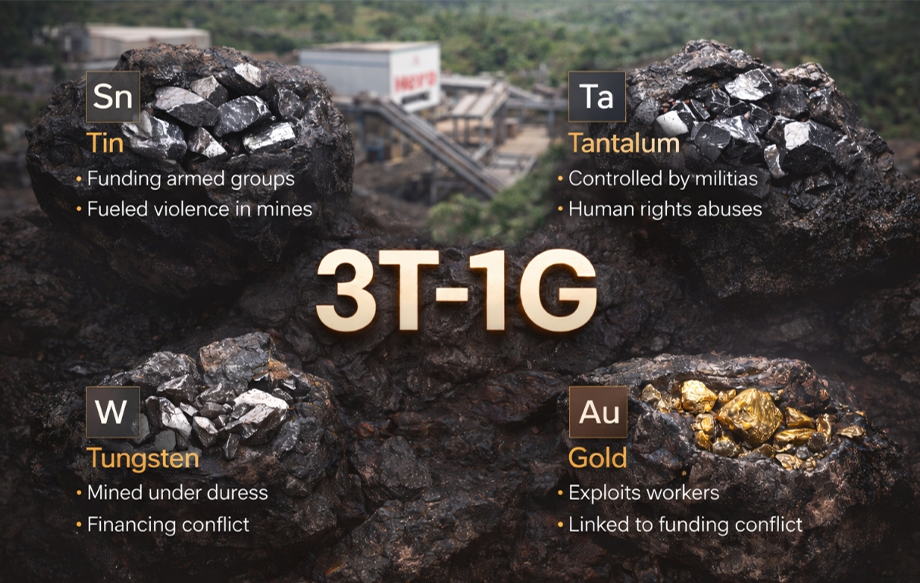
Conflict minerals are raw materials mined in parts of the world where there is high-intensity conflict or systematic human rights violations. They are most commonly defined as the "3T1G": Tin, Tantalum, Tungsten, and Gold.
These four minerals are ubiquitous in modern life, appearing in everything from your smartphone to your car's engine.
Tracking these minerals (often called "supply chain due diligence") is critical for ethical, legal, and environmental reasons. Illegal mining often ignores environmental regulations, leading to massive deforestation, water pollution (through chemicals like mercury and cyanide), and the destruction of local ecosystems. Proper tracking encourages sourcing from regulated, sustainable mines.
To ensure compliance with our policy, we require all Tier-1 suppliers to provide undertakings that they will track and avoid conflict minerals throughout the supply chain, in accordance with the Conflict Minerals Reporting Template (CMRT) established by the Responsible Minerals Initiative (RMI). We also utilize the International Material Database System (IMDS) as a screening tool to verify the origin of all parts and components.
In FY26, none of our products contained minerals from conflict-affected and high-risk areas. We maintain open and transparent communication with our suppliers by incorporating conflict minerals clauses into our supplier agreements.
To holistically evaluate the environmental impact of our products, we undertake cradle-to-grave Life Cycle Assessments (LCA) in alignment with ISO 14040 and ISO 14044 standards. We apply the CML (Centre of Environmental Science, Leiden University) methodology framework to assess multiple environmental impact categories.
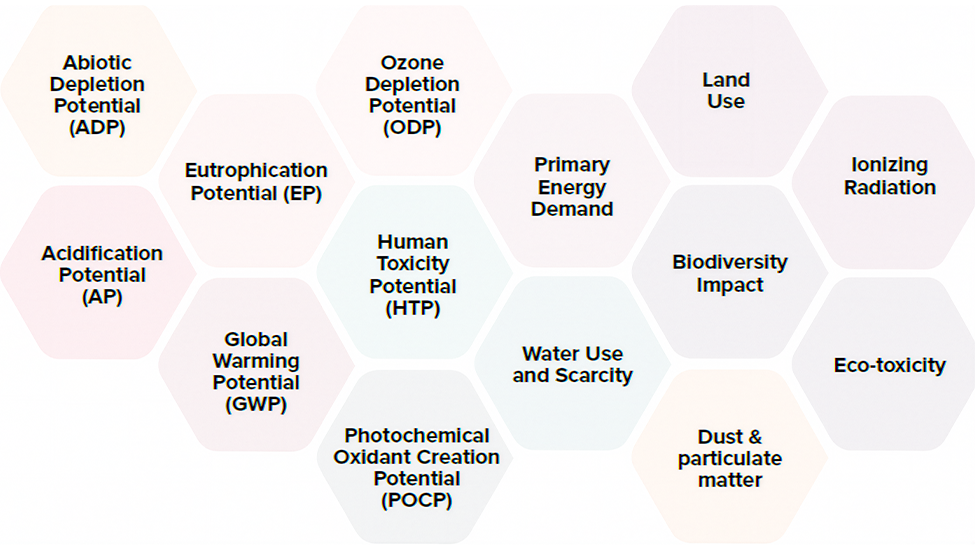
The LCA process involves several steps, including:
Goal and scope definition:
Defining the purpose and scope of the LCA study, including the product or process to be assessed and the environmental impacts to be evaluated.
Inventory analysis:
Collecting data on the inputs and outputs of the product or process, including energy and water usage, raw materials, and emissions.
Impact assessment:
Evaluating the potential environmental impacts of the product or process, including climate change, resource depletion, and human health effects.
Interpretation:
Interpreting the results of the LCA study and identifying opportunities for improvement. The LCA approach helps understand the product footprint of and the environmental impacts associated with:
Raw material extraction: The extraction and processing of raw materials, such as metals and minerals, required to produce the two, threewheelers.
Manufacturing: The production process, including energy and water usage, emissions, and waste generation.
Use Phase: The operation and maintenance of the two, three-wheelers, including energy consumption and emissions.
End-of-life: The disposal or recycling of the two, three-wheelers at the end of their life cycle
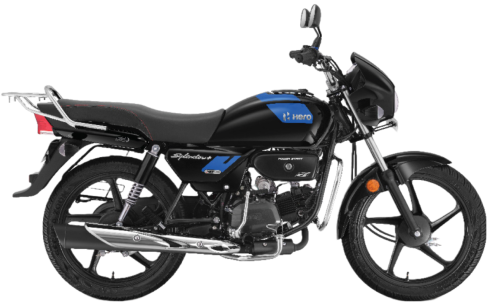
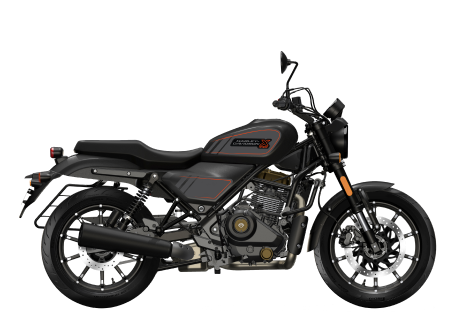
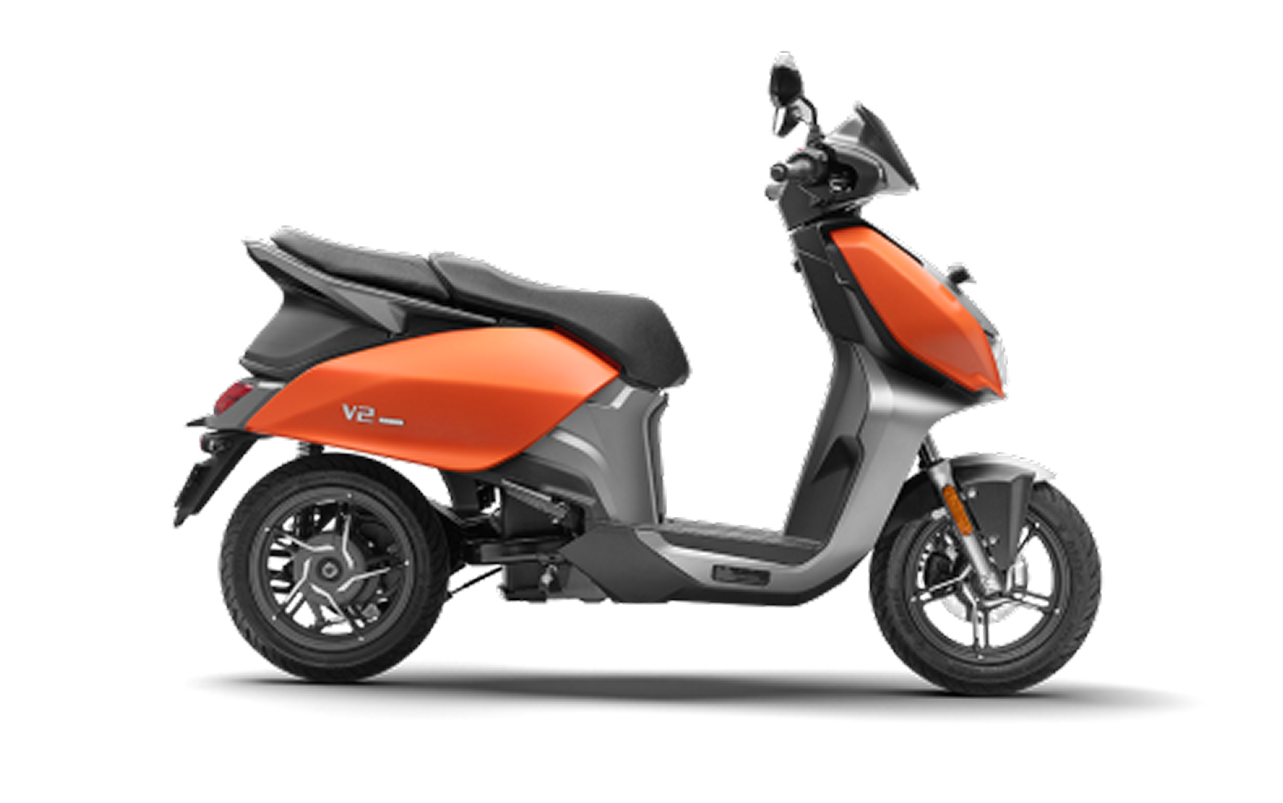
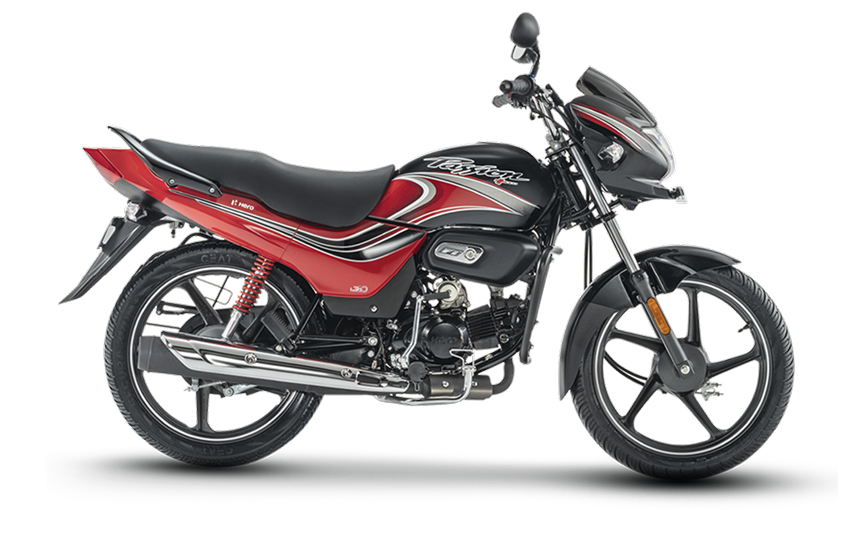
We completed comprehensive LCA studies for seven key products (HF Deluxe, Splendor + XTEC, HD X440, Vida V2, Passion Plus, Xtreme 125R CC and Super Splendor + XTEC) which cover 80% of our total sales volume, reinforcing our commitment to sustainable product development and continuous environmental performance improvement.
End-of-Life Vehicle (ELV) Rules, 2025:
Notified in January 2025, these rules mandate that producers ensure their old vehicles are scrapped at Registered Vehicle Scrapping Facilities (RVSFs).
Scrapping Targets:
Producers must meet annual targets based on the number of vehicles they put on the market 20 years ago (for non-transport 2Ws).
Our EPR & Scrappage Ecosystem
Hero MotoCorp is advancing India's circular economy by managing the full vehicle lifecycle. Through our Extended Producer Responsibility (EPR) program, we ensure end-of-life vehicles are processed through a formal, environmentally sound network.
We employ a rigorous governance framework and cross-functional testing protocols to ensure every vehicle surpasses quality and emission standards. This process includes extensive post-manufacturing evaluations and pre-launch verifications to maintain high performance and regulatory compliance.
Compliance Monitoring and Regulatory Reporting:
Our robust governance system ensures strict adherence to current emission standards, with verified data reported to the appropriate authorities. We maintain transparency by disclosing fuel efficiency data in the public domain via the SIAM (Society of Indian Automotive Manufacturers). Regular audits of our product portfolio allow us to identify and address any performance variability, taking corrective actions as needed. Additionally, we conduct periodic Conformity of Production (CoP) tests at certified agencies like ICAT or ARAI to verify that our vehicles consistently meet applicable emission norms. To date, we have received no complaints regarding emission deviations during the consumer use phase.
Learn more about our programs


 Angola
 Argentina
 Bangladesh
 Bolivia
 Columbia
 Costa Rica
 Dominican Republic
 DRC
DRC
 Ecuador
 El Salvador
 Ethiopia
 France
 GCC
GCC
 Germany
 Great Britain
 Guatemala
 Guinea
 Guyana
 Haiti
Haiti
 Honduras
 Italy
Italy
 Kenya
Kenya
 Madagascar
 Mexico
 Myanmar
 Nepal
Nepal
 Nicaragua
 Nigeria
 Panama
 Peru
Peru
 Philippines
 South Africa
 Spain
Spain
 Sri Lanka
 Tanzania
 Trinidad
 Turkey
 Uganda
 Zambia