
XTREME 160R 4V
163.2 cc engine

163.2 cc engine

250 cc engine

210 cc engine

97.2 cc engine
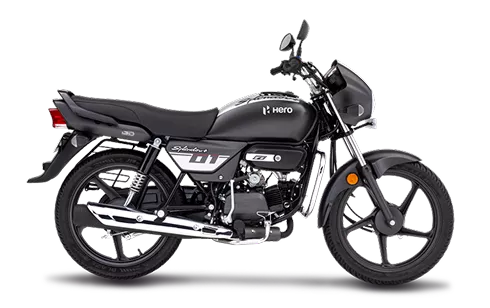
97.2 cc engine
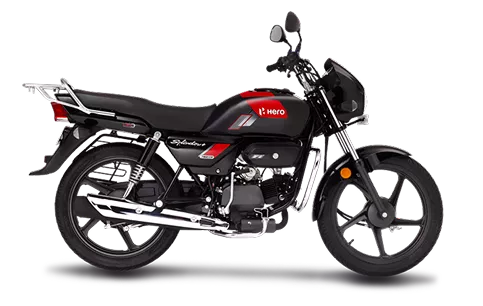
97.2 cc engine

97.2 cc engine

97.2 cc engine

125 cc engine

125 cc engine

125 cc engine

125 cc engine

124.7 cc engine

163.2 cc engine

199.6 cc engine

210 cc engine

440 cc engine
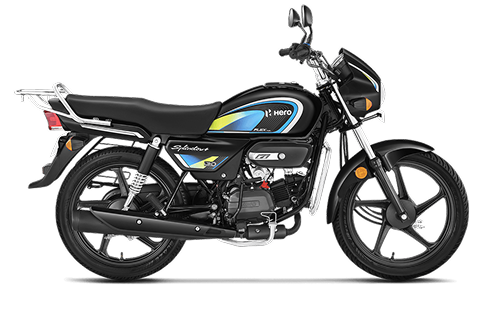
97.2 cc engine
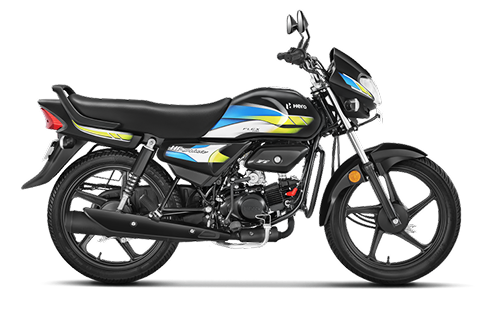
97.2 cc engine

97.2 cc engine
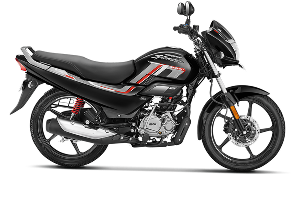
124.7 cc engine

440 cc engine

163.2 cc
Air oil cooled, 4-stroke, Single cylinder, OHC
14.6 nm
@6500 RPM
Starting ex-showroom price
Delhi, Delhi

250 cc
4 Stroke, 4 Valve, Single Cylinder Liquid Cooled, DOHC
25 nm
@7250 RPM
Starting ex-showroom price
Delhi, Delhi
210 cc
4 Stroke 4 Valve Single Cylinder Liquid Cooled DOHC
20.7 nm
@7250 RPM
Starting ex-showroom price
Delhi, Delhi
97.2 cc
Air cooled, 4-stroke, Single cylinder, OHC
8.05 nm
@6000 RPM
Starting ex-showroom price
Delhi, Delhi
97.2 cc
Air cooled, 4-stroke, Single cylinder, OHC
8.05 nm
@6000 RPM
Starting ex-showroom price
Delhi, Delhi
97.2 cc
Air cooled, 4-stroke, Single cylinder, OHC
8.05 nm
@6000 RPM
Starting ex-showroom price
Delhi, Delhi
97.2 cc
Air cooled, 4-stroke, Single cylinder, OHC
8.05 nm
@6000 RPM
Starting ex-showroom price
Delhi, Delhi
97.2 cc
Air cooled, 4-stroke, Single cylinder, OHC
8.05 nm
@6000 RPM
Starting ex-showroom price
Delhi, Delhi
125 cc
Air cooled, 4-Stroke
8.5 kW
@8250 RPM
Starting ex-showroom price
Delhi, Delhi
125 cc
Air cooled, 4-Stroke
10.5 nm
@6500 RPM
Starting ex-showroom price
Delhi, Delhi
125 cc
5.7 sec, Acceleartion 0-60kmph
10.5 nm
@6500 RPM
Starting ex-showroom price
Delhi, Delhi
125 cc
Air cooled, 4-stroke, Single cylinder, OHC
10.6 nm
@6000 RPM
Starting ex-showroom price
Delhi, Delhi
124.7 cc
Air Cooled, 4-Stroke, OHC, Single Cylinder
10.6 nm
@6000 RPM
Starting ex-showroom price
Delhi, Delhi
163.2 cc
Air Cooled 4 stroke
14 nm
@6500 RPM
Starting ex-showroom price
Delhi, Delhi
199.6 cc
Oil Cooled, 4 stroke 4 Valve single cylinder OHC
17.35 nm
@6500 RPM
Starting ex-showroom price
Delhi, Delhi
210 cc
Liquid cooled, 4-stroke, Single cylinder, OHC
20.4 nm
@4000 RPM
Starting ex-showroom price
Delhi, Delhi
440 cc
Air cooled, 4-stroke, Single cylinder, OHC
38 nm
@4000 RPM
Starting ex-showroom price
Delhi, Delhi
97.2 cc
Air cooled, 4-stroke, Single cylinder, OHC
8.3 nm(with E85)
@ 6000 RPM
Starting ex-showroom price
Delhi, Delhi
97.2 cc
Air cooled, 4-stroke, Single cylinder, OHC
8.3 nm(with E85)
@ 6000 RPM
Starting ex-showroom price
Delhi, Delhi
97.2 cc
Air cooled, 4 stroke
8.05 nm
@6000 RPM
Starting ex-showroom price
Delhi, Delhi
124.7 cc
2V,Air cooled, 4 stroke single cylinder
10.6 nm
@ 6000 RPM
Starting ex-showroom price
Delhi, Delhi
440 cc
Air cooled, 4-stroke, Single cylinder, OHC
38 nm
@4000 RPM
Starting ex-showroom price
Delhi, Delhi

163.2 cc engine
250 cc engine
210 cc engine
97.2 cc engine
97.2 cc engine
97.2 cc engine
97.2 cc engine
97.2 cc engine
125 cc engine
125 cc engine
125 cc engine
125 cc engine
124.7 cc engine
163.2 cc engine
199.6 cc engine
210 cc engine
440 cc engine
97.2 cc engine
97.2 cc engine
97.2 cc engine
124.7 cc engine
440 cc engine
163.2 cc
Air oil cooled, 4-stroke, Single cylinder, OHC
14.6 nm
@6500 RPM
250 cc
4 Stroke, 4 Valve, Single Cylinder Liquid Cooled, DOHC
25 nm
@7250 RPM
210 cc
4 Stroke 4 Valve Single Cylinder Liquid Cooled DOHC
20.7 nm
@7250 RPM
97.2 cc
Air cooled, 4-stroke, Single cylinder, OHC
8.05 nm
@6000 RPM
97.2 cc
Air cooled, 4-stroke, Single cylinder, OHC
8.05 nm
@6000 RPM
97.2 cc
Air cooled, 4-stroke, Single cylinder, OHC
8.05 nm
@6000 RPM
97.2 cc
Air cooled, 4-stroke, Single cylinder, OHC
8.05 nm
@6000 RPM
97.2 cc
Air cooled, 4-stroke, Single cylinder, OHC
8.05 nm
@6000 RPM
125 cc
Air cooled, 4-Stroke
8.5 kW
@8250 RPM
125 cc
Air cooled, 4-Stroke
10.5 nm
@6500 RPM
125 cc
5.7 sec, Acceleartion 0-60kmph
10.5 nm
@6500 RPM
125 cc
Air cooled, 4-stroke, Single cylinder, OHC
10.6 nm
@6000 RPM
124.7 cc
Air Cooled, 4-Stroke, OHC, Single Cylinder
10.6 nm
@6000 RPM
163.2 cc
Air Cooled 4 stroke
14 nm
@6500 RPM
199.6 cc
Oil Cooled, 4 stroke 4 Valve single cylinder OHC
17.35 nm
@6500 RPM
210 cc
Liquid cooled, 4-stroke, Single cylinder, OHC
20.4 nm
@4000 RPM
440 cc
Air cooled, 4-stroke, Single cylinder, OHC
38 nm
@4000 RPM
97.2 cc
Air cooled, 4-stroke, Single cylinder, OHC
8.3 nm(with E85)
@ 6000 RPM
97.2 cc
Air cooled, 4-stroke, Single cylinder, OHC
8.3 nm(with E85)
@ 6000 RPM
97.2 cc
Air cooled, 4 stroke
8.05 nm
@6000 RPM
124.7 cc
2V,Air cooled, 4 stroke single cylinder
10.6 nm
@ 6000 RPM
440 cc
Air cooled, 4-stroke, Single cylinder, OHC
38 nm
@4000 RPM

110 cc engine

156 cc engine
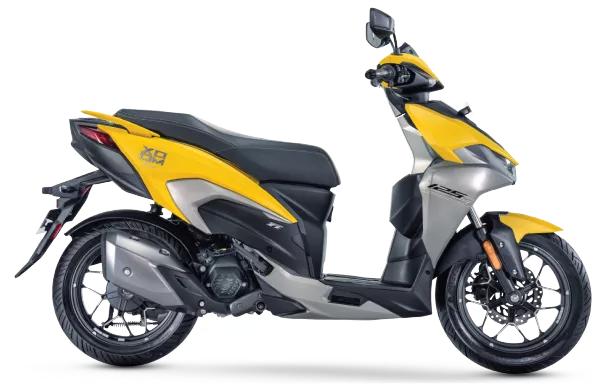
124.6 cc engine

125 cc engine
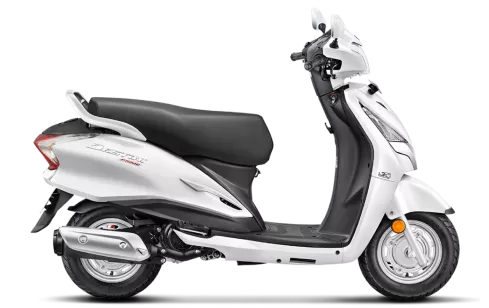
124.6 cc engine

110.9 cc engine
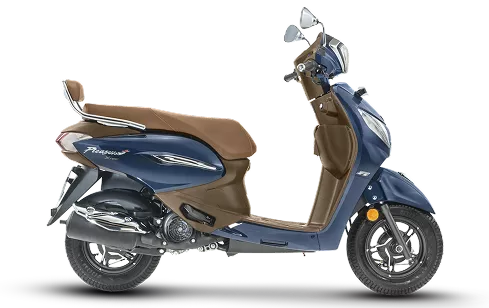
110.9 cc engine
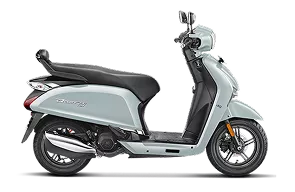
110 cc
Air Cooled, 4 stroke engine
8.7 nm
@5750 RPM
Starting ex-showroom price
Delhi, Delhi
156 cc
Liquid cooled, 4 Valve single cylinder SOHC
14 nm
@6250 RPM
Starting ex-showroom price
Delhi, Delhi
124.6 cc
Air Cooled, 4 stroke, SI
10.4 nm
@6000 RPM
Starting ex-showroom price
Delhi, Delhi
125 cc
Air cooled, 4 stroke, SI engine
10.4 nm
@5500 RPM
Starting ex-showroom price
Delhi, Delhi
124.6 cc
Air Cooled, 4-Stroke, SI Engine
10.36 nm
@5500 RPM
Starting ex-showroom price
Delhi, Delhi
110.9 cc
Air cooled, 4-stroke, SI engine
8.70 nm
@5750 RPM
Starting ex-showroom price
Delhi, Delhi
110.9 cc
Air cooled, 4-stroke Single Cylinder OHC
8.70 nm
@5500 RPM
Starting ex-showroom price
Delhi, Delhi
110 cc engine
156 cc engine
124.6 cc engine
125 cc engine
124.6 cc engine
110.9 cc engine
110.9 cc engine
110 cc
Air Cooled, 4 stroke engine
8.7 nm
@5750 RPM
156 cc
Liquid cooled, 4 Valve single cylinder SOHC
14 nm
@6250 RPM
124.6 cc
Air Cooled, 4 stroke, SI
10.4 nm
@6000 RPM
125 cc
Air cooled, 4 stroke, SI engine
10.4 nm
@5500 RPM
124.6 cc
Air Cooled, 4-Stroke, SI Engine
10.36 nm
@5500 RPM
110.9 cc
Air cooled, 4-stroke, SI engine
8.70 nm
@5750 RPM
110.9 cc
Air cooled, 4-stroke Single Cylinder OHC
8.70 nm
@5500 RPM
Our OHS policy is built on comprehensive management principles that prioritize the creation of a healthy and safe work environment. These principles are designed to safeguard the health and safety of all stakeholders, including employees, workers, and contractors, regardless of their employment status. We have developed programs and initiatives that not only comply with legal and statutory requirements but also adhere to international standards set by reputable organizations such as ISO, ILO, and WHO. These efforts aim to promote wellness and safety in the workplace, preventing physical, mental, and psychosocial health issues that can affect the overall well-being of our employees.
We have developed a comprehensive Occupational Health and Safety (OHS) Program that sets the highest standards for occupational health and safety. In line with our commitment to the OHS policy, we have established an OHS management system designed to evaluate, monitor, and continuously improve health and safety practices.
Joint Committees
We have formed joint committees at all levels, comprising representatives from all stakeholders, including employees, workers (both permanent and non-permanent), to ensure the effective functioning of programs and services that promote health and safety. These committees regularly evaluate and assess the effectiveness of our health and safety initiatives, identifying areas for improvement and planning for future enhancements.
Environment, Health, and Safety (EHS) Department
We have set up an EHS department at all our establishments to ensure the health and safety of our workforce, in collaboration with the joint committees.
Risk and Hazard Assessment
The EHS department conducts regular risk and hazard assessments at the workplace to identify potential risks and hazards and prioritizes action plans to address these issues promptly and effectively. We have implemented various mechanisms to assess risks and hazards, including Hazard and Operability Study (HAZOP), Job Safety Analysis (JSA), Quantitative Risk Assessment (QRA), and Hazard Identification and Risk Assessment (HIRA).
Audit Systems
We have a robust mechanism of internal and external audits throughout the year to ensure due diligence and the quality of health and safety services provided at the workplace.
Training and Awareness
We provide training and awareness programs for our workforce, supply chain partners, and communities to educate them on various safety aspects, such as emergency preparedness, safety guidelines, and best practice
We have set ambitious targets to achieve a zero-incident culture, which encompasses zero accident. To support this goal, we continually strive to enhance our Occupational Health and Safety (OHS) management system through rigorous risk and hazard assessments, internal and external audits, and awareness-raising training programs. We deeply regret the fatality. Following a thorough root cause analysis, qualified personnel conducted detailed structural safety audits, and a comprehensive action plan has been developed to prevent any recurrence of such incidents.
Management of Change (MOC)
We use MOC to manage risks from system changes, improving safety and reducing turnaround time. We conduct risk analyses using techniques like HAZOP and QRA to identify hidden risks and prevent incidents
Occupational Health Guidelines
Our Occupational Health Services are guided by our OH Manual, which complies with the Indian Factories Act 1948, OHSAS 18001, ISO 45001, and FSSAI regulations, ensuring a robust framework for employee health and safety.
Safety Initiatives
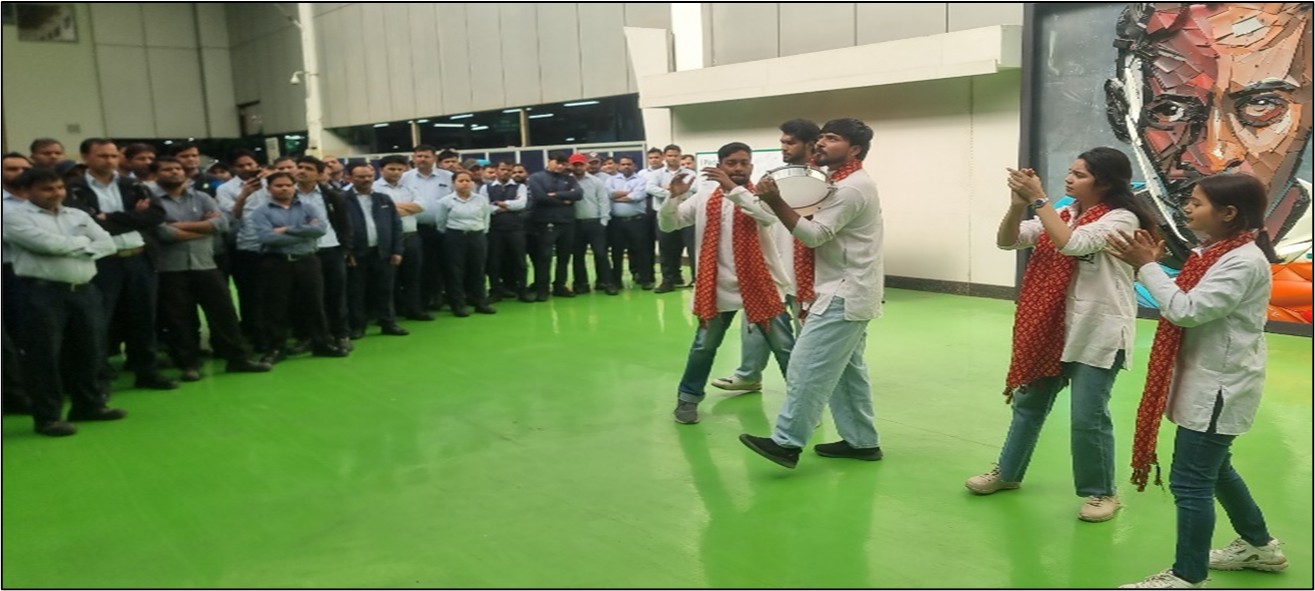
We have implemented a "right to stop unsafe work" policy, gathered feedback on new PPEs, and conducted mock drills with the National Disaster Response Force. Our safety committees, comprising diverse members, promote a culture of continuous learning and development, ensuring a safe and successful work environment
Contractor Management System (CMS):
Our CMS ensures contractor safety through a two-part process: (a) Pre-Qualification (PQ): Evaluating contractors before work begins. (b) Post-Contractor
Management
Ongoing management and monitoring
Occupational Health Services
We conduct pre-employment medical check-ups as per statutory and non-statutory requirements aligned with the job requirements. Periodical medical in-house check-ups with specific tests identified per risk assessment of employees working in different departments exposed to various occupational health hazards. We carry out most of these tests using in-house equipment, such as spirometers, audiometers, vision testers, and peak flow meters. Health assessments are conducted prior to an employee's return to work, and medical fitness certificates are verified, validated, and maintained as records
Ergonomics and Industrial Hygiene:
We provide ergonomic workstations to prevent musculoskeletal problems by designing better workstations through ergonomic surveys and improvements and strengthening workplace monitoring. In FY25, we conducted a thorough ergonomic assessment at our Tirupati Plant to assess ergonomic-related improvements. We also conducted a qualitative industrial hygiene survey at our Halol Plant to assess the physical and chemical properties present in the work environment, such as lux, noise, dust, VOC, and CO.
Scope of Improvement
The scope of improvement in occupational health services is through periodic internal and external IMS audits
Immunization and Biomedical Waste Management:
We immunize specific categories of employees per job requirements for specific protection under primary prevention protocol. As per statutory requirements, we manage biomedical waste generated as part of occupational health services.
Statutory Training and Emergency Evacuation Plans:
We conduct statutory training, including first aid and CPR for our employees. We have formulated Emergency Evacuation Action Plans by providing training and conducting mock drills with employees to respond to emergencies.
We have implemented a robust set of strategies to conduct thorough risk and hazard assessments in the workplace, ensuring the health, safety, and well-being of all stakeholders. Our approach enables us to identify, investigate, prioritize, and mitigate occupational health and safety (OHS) risks and hazards, fostering a zero-incident culture.
Hazard and Operability Study (HAZOP)
A systematic approach to proactively identify potential hazards and risks in various processes, such as heat treatment, painting, and bulk storage of petroleum products. This enables us to take preventive measures to avoid harm and ensure a safe working environment.
Job Safety Analysis (JSA)
A detailed study that breaks down jobs into a series of steps to identify potential hazards and plan actions to mitigate OHS risks. This is an integral part of our management of change process and non-routine activities
Quantitative Risk Assessment (QRA)
A method to estimate the likelihood and consequences of hazardous events, providing quantitative results to inform decision-making. We have conducted QRA for bulk storage of propane gas and petroleum products, among others.
Hazard Identification and Risk Assessment (HIRA)
A comprehensive approach to establish a stringent system for identifying risks, planning mitigation measures, and ensuring safety, health, and human rights for all stakeholders.
The main element of HIRA is to identify all materials, agents, conditions, or activities that have the potential to cause injury, harm, illness, or damage to the business and its property. To achieve this, we regularly evaluate our processes and job tasks by assessing the associated risks and hazards, ensuring a proactive approach to mitigating potential threats. A key component of our HIRA framework is our hazard reporting mechanism, which encourages all employees to report any incident or hazard to their immediate supervisors and departmental committees, facilitating prompt attention and action. We define a hazard as a source, situation, or act that can potentially harm and result in injury, illness, or a combination of both. Our OHS risks are categorized into six primary areas: physical, mechanical, electrical, chemical, biological, and others, and are prioritized based on their probability, frequency of occurrence, and severity, taking into account the potential adverse impacts, including possible losses and injuries. By regularly evaluating and prioritizing these risks, we are able to implement effective controls and mitigation measures to minimize harm and ensure a safe and healthy work environment.
We have established procedures for investigating workplace injuries, which begin with training supervisors and managers on the techniques and procedures used during the investigation. During the investigation, supervisors and managers identify all the equipment and materials involved and analyse all the information to determine the incident's root cause, including whether the incident occurred due to system failure or other reasons. Following the investigation, the team prepares an action plan to prevent such incidents from occurring in the future, ensuring a proactive approach to workplace safety.
To identify and mitigate hazards, workers and department-level committees work together to pinpoint potential risks, determine their root causes, and develop strategies to address them. Additionally, a risk assessment methodology is used, which involves assigning numeric scores to evaluate the potential risks and impacts based on three key characteristics: potential consequences, likelihood, and detection. By combining these scores, an overall Risk Priority Number (RPN) is generated, enabling management to prioritize and develop targeted action plans, known as hazard control mechanisms, with specific, quantifiable objectives, such as achieving zero fatalities in the workplace. This approach allows for the mitigation of high priority risks in a timely and effective manner.
Action plan is based on the following methodology (Hazard control mechanisms) to control OHS risks and Hazard at workplace:
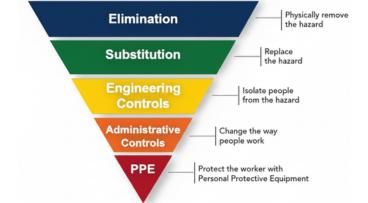
At Hero MotoCorp we have identified potential hazards that could lead to emergencies and major accidents, including process hazards (chemical, temperature, cryogenic, and electric hazards), natural disasters, and environmental failures that could result in land, water, and air pollution. To mitigate these risks, we have developed a multi-faceted approach that includes:
Risk Assessment and Consequence Analysis
Estimating the physical effects of potential accidents.
Onsite Action Plans
We have developed detailed action plans that outline procedures and actions to be taken during an emergency, ensuring a swift and effective response.
Emergency Response Team
This serves as the primary point of contact within the organization in the event of an accident or emergency.
Communication and Training
We provide regular training and communication to all relevant personnel, including mock drills to familiarize employees with escape routes, assembly points, and emergency procedures.
Preparedness and Readiness
Our comprehensive strategies and action plans enable us to respond quickly and effectively to emergencies, minimizing the risk of harm to people, the environment, and our operations.
At HMCL, we have established a comprehensive review framework to prioritize and integrate action plans with quantifiable targets to mitigate risks and evaluate progress in reducing or preventing health issues. Our review framework consists of multiple committees that ensure a thorough evaluation of OHS performance at various levels:
We recognize the importance of educating all employees, workers, and contractors about workplace hazards, controls, and established Standard Operating Procedures (SOPs) to ensure a safe working environment. To achieve this, we provide comprehensive information and training on:
Workplace Hazards
Identifying potential hazards and risks associated with their work
Controls and SOPs
Understanding the measures in place to mitigate risks and following established procedures
Reporting Mechanisms
Knowing how to report incidents, near-misses, and concerns We are embracing digitalization and emerging technologies to enhance our safety programs.
Virtual Reality (VR) Training
Creating immersive, computer-generated environments that simulate real-life scenarios, allowing employees to experience the consequences of non-adherence to safety guidelines. This innovative approach fosters a positive attitude towards established safety SOPs and practices.
Safety Gyms
Setting up dedicated facilities at all locations, where employees can participate in live accident scenario simulations using fear simulation devices. This hands-on training enables employees to develop the skills and confidence to respond effectively in emergencies
We have defined our training modules to address the training needs of our stakeholders, few of these are:
At HMCL, we acknowledge that our responsibility to ensure Occupational Health and Safety (OHS) extends beyond our own facilities and into our entire value chain. To foster a culture of safety throughout our ecosystem, we have introduced rigorous OHS criteria into our procurement and contractual requirements. To promote a culture of safety throughout our value chain, we have:
Shared Our Vision and Values
Communicated our clear aim and vision to our value chain partners through sustainable procurement guidelines, emphasizing the importance of upholding human rights, health, and safety values.
Capacity-Building Initiatives
Organized regular capacity-building sessions with our value chain partners to share best practices in health and safety and encourage their implementation across various locations.
Collaborative Approach
Fostered a collaborative environment where our value chain partners can learn from our experiences, share their own knowledge, and work together to enhance safety standards throughout the entire supply chain.
Engagement with Communities
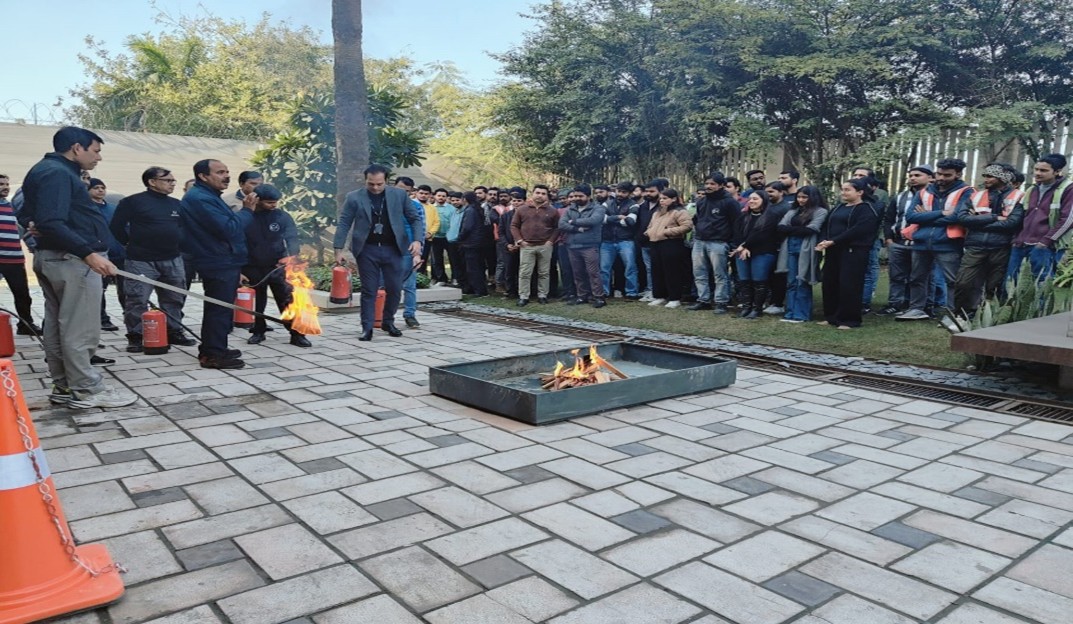
Our community engagement initiatives aim to empower individuals with the knowledge and skills necessary to prevent fires, respond to emergencies, and stay safe. By working together, we can create a culture of fire safety awareness and reduce the risk of fire-related incidents in our communities. Our goal is to make a positive impact and contribute to the well-being and safety of those around us.
Sword of Honour
Our Gurgaon plant achieved a prestigious recognition by winning the Sword of Honour from the British Safety Council.
State Safety Award by Govt. of Rajasthan
Our Global Part Centre awarded the State Safety Award in large Industries Category by Govt. of Rajasthan.
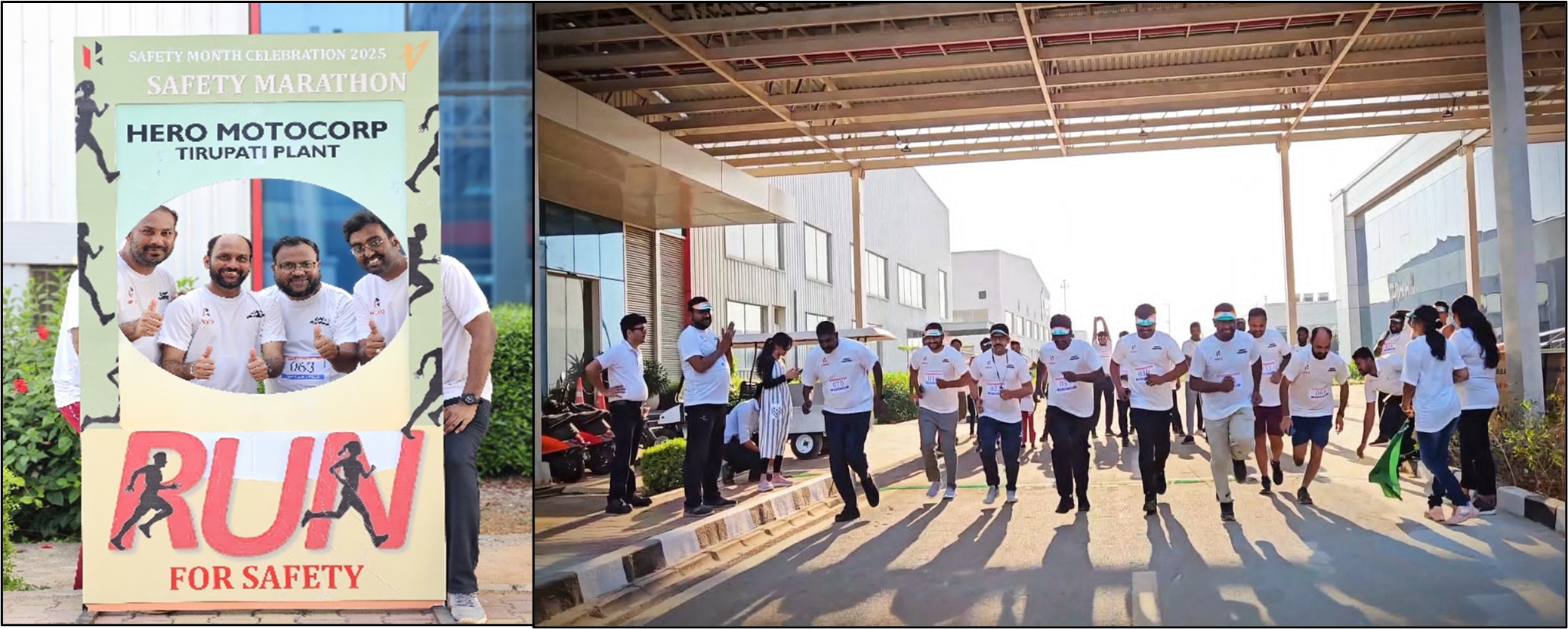



 Angola
 Argentina
 Bangladesh
 Bolivia
 Columbia
 Costa Rica
 Dominican Republic
 DRC
DRC
 Ecuador
 El Salvador
 Ethiopia
 France
 GCC
GCC
 Germany
 Great Britain
 Guatemala
 Guinea
 Guyana
 Haiti
Haiti
 Honduras
 Italy
Italy
 Kenya
Kenya
 Madagascar
 Mexico
 Myanmar
 Nepal
Nepal
 Nicaragua
 Nigeria
 Panama
 Peru
Peru
 Philippines
 South Africa
 Spain
Spain
 Sri Lanka
 Tanzania
 Trinidad
 Turkey
 Uganda
 Zambia