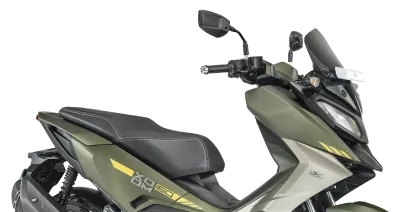
XTREME 160R 4V
163.2 cc engine

163.2 cc engine

250 cc engine
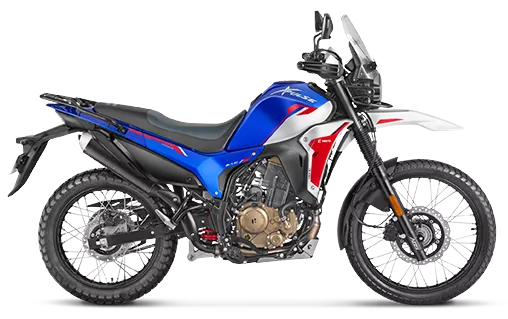
210 cc engine
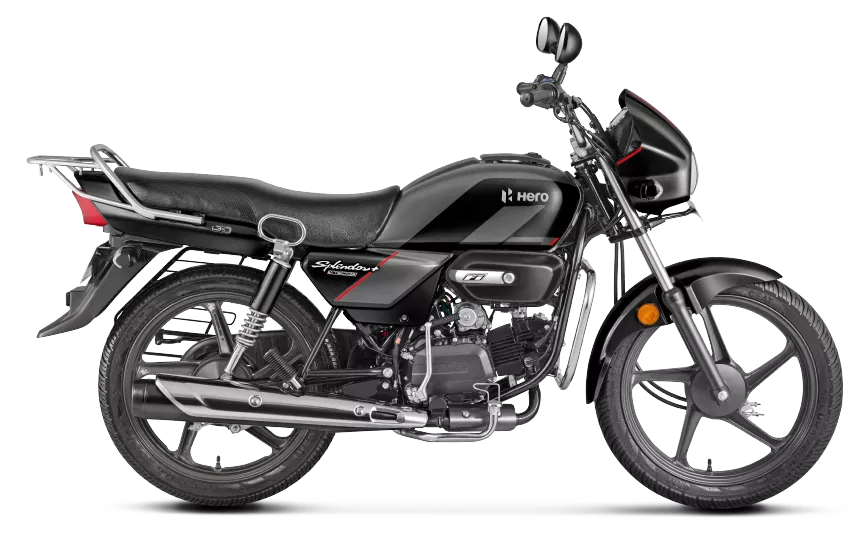
97.2 cc engine
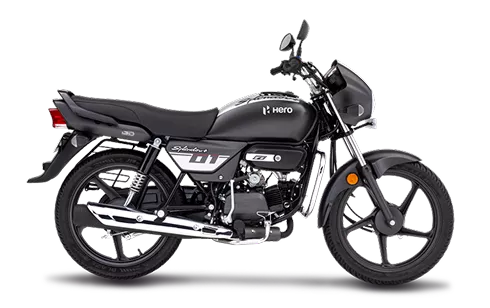
97.2 cc engine
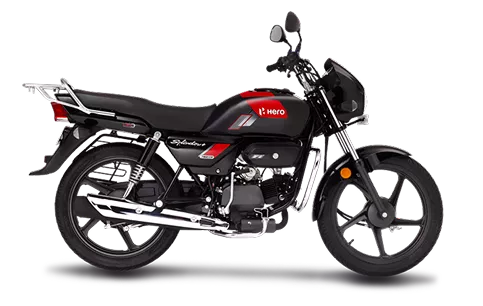
97.2 cc engine
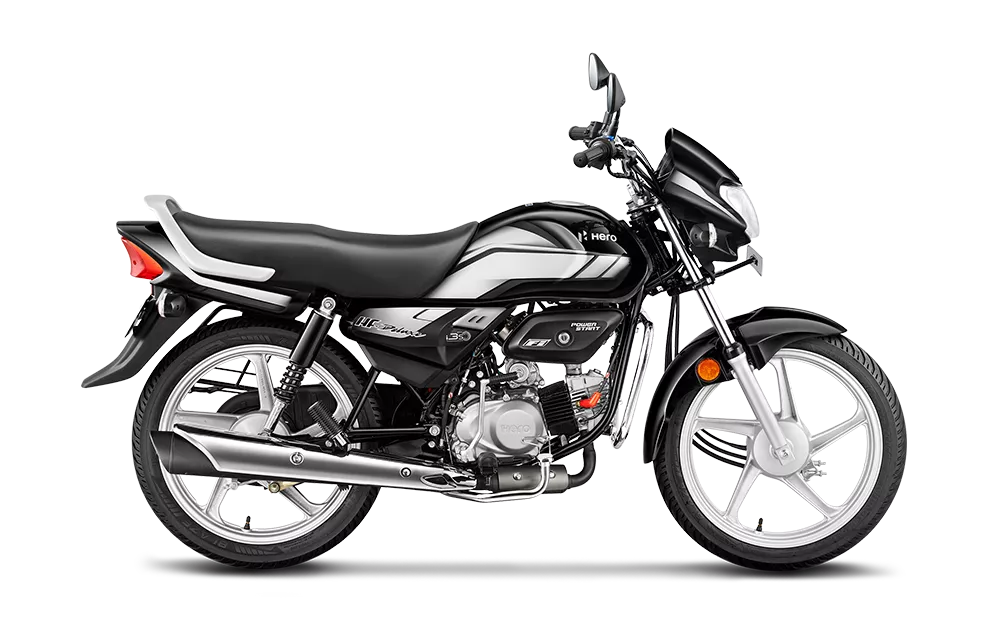
97.2 cc engine
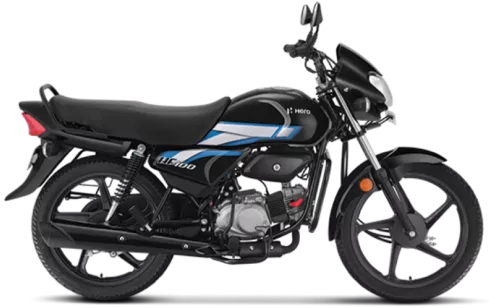
97.2 cc engine
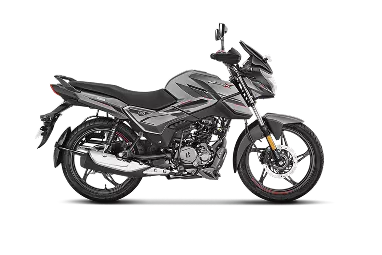
125 cc engine
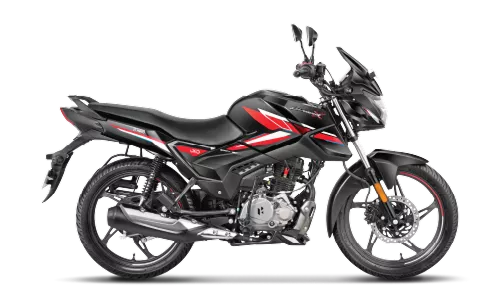
125 cc engine
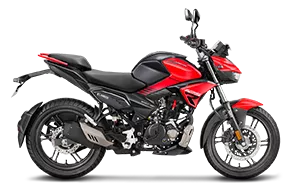
125 cc engine
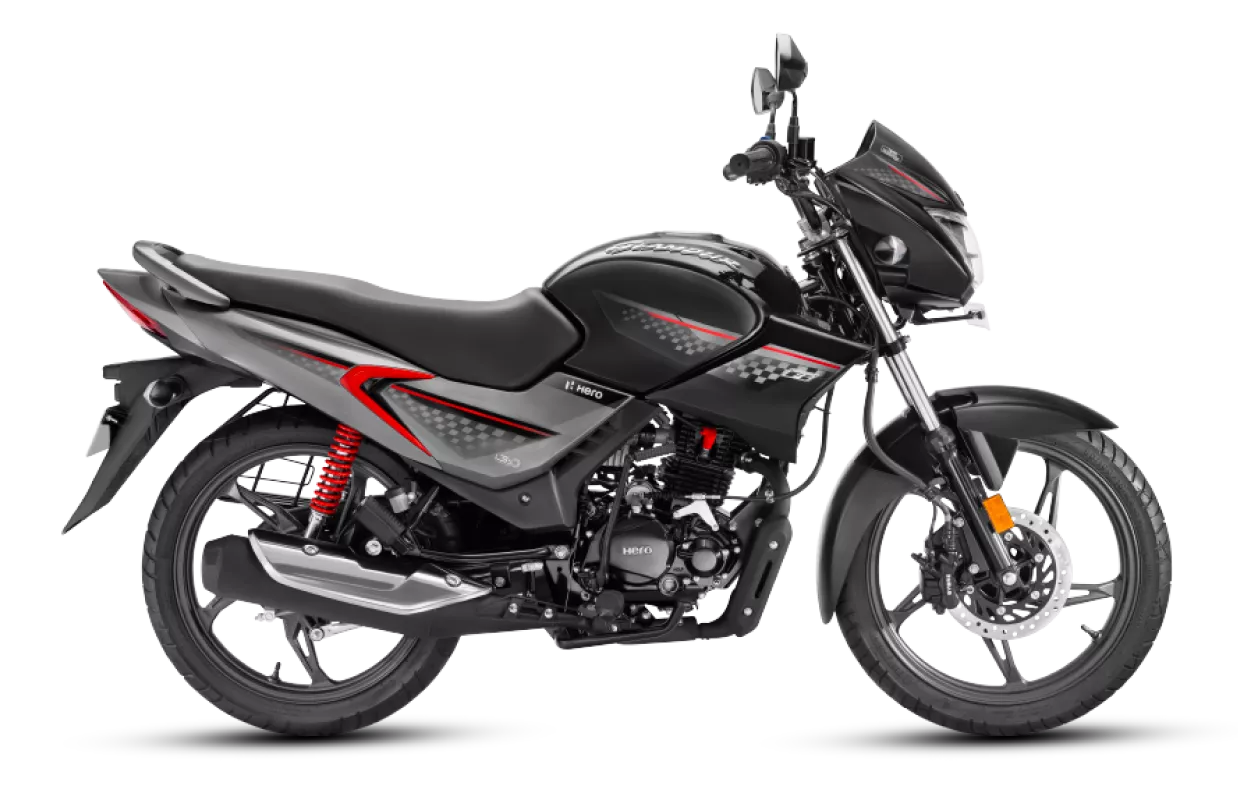
125 cc engine
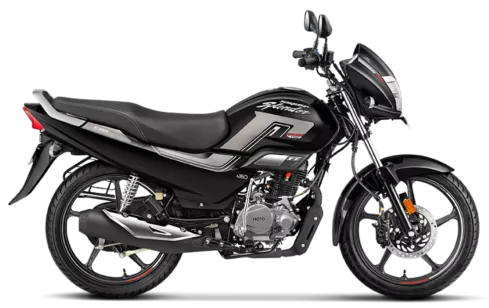
124.7 cc engine
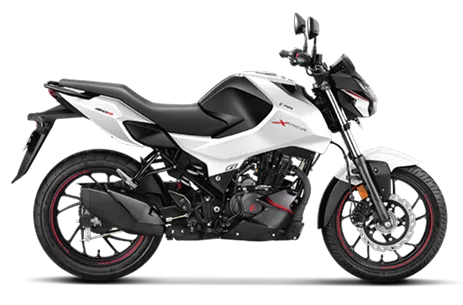
163.2 cc engine
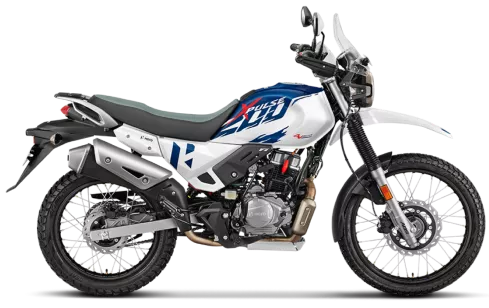
199.6 cc engine
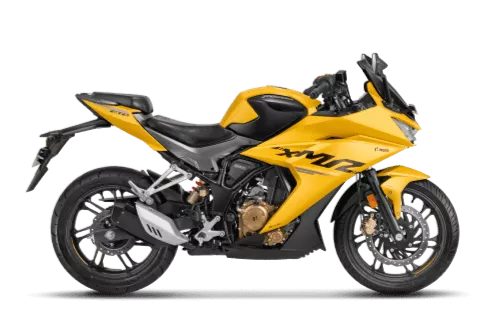
210 cc engine
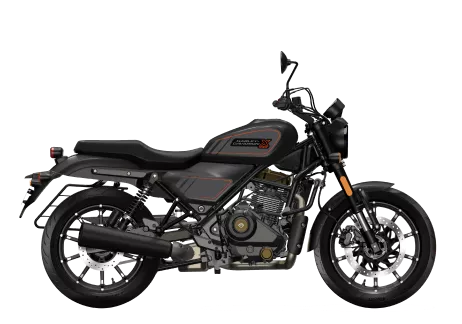
440 cc engine
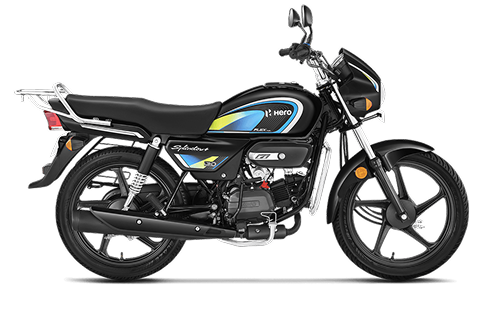
97.2 cc engine
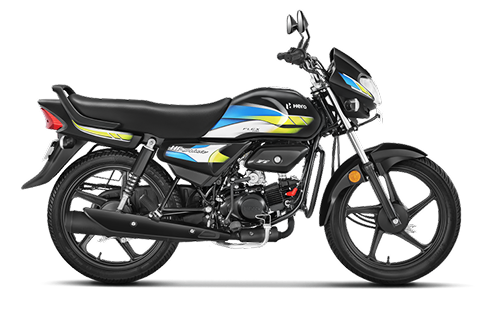
97.2 cc engine

97.2 cc engine
124.7 cc engine
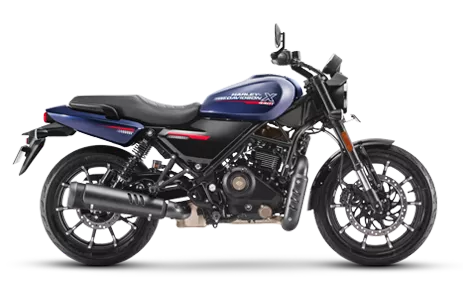
440 cc engine

163.2 cc
Air oil cooled, 4-stroke, Single cylinder, OHC
14.6 nm
@6500 RPM
Starting ex-showroom price
Delhi, Delhi

250 cc
4 Stroke, 4 Valve, Single Cylinder Liquid Cooled, DOHC
25 nm
@7250 RPM
Starting ex-showroom price
Delhi, Delhi
210 cc
4 Stroke 4 Valve Single Cylinder Liquid Cooled DOHC
20.7 nm
@7250 RPM
Starting ex-showroom price
Delhi, Delhi
97.2 cc
Air cooled, 4-stroke, Single cylinder, OHC
8.05 nm
@6000 RPM
Starting ex-showroom price
Delhi, Delhi
97.2 cc
Air cooled, 4-stroke, Single cylinder, OHC
8.05 nm
@6000 RPM
Starting ex-showroom price
Delhi, Delhi
97.2 cc
Air cooled, 4-stroke, Single cylinder, OHC
8.05 nm
@6000 RPM
Starting ex-showroom price
Delhi, Delhi
97.2 cc
Air cooled, 4-stroke, Single cylinder, OHC
8.05 nm
@6000 RPM
Starting ex-showroom price
Delhi, Delhi
97.2 cc
Air cooled, 4-stroke, Single cylinder, OHC
8.05 nm
@6000 RPM
Starting ex-showroom price
Delhi, Delhi
125 cc
Air cooled, 4-Stroke
8.5 kW
@8250 RPM
Starting ex-showroom price
Delhi, Delhi
125 cc
Air cooled, 4-Stroke
10.5 nm
@6500 RPM
Starting ex-showroom price
Delhi, Delhi
125 cc
5.7 sec, Acceleartion 0-60kmph
10.5 nm
@6500 RPM
Starting ex-showroom price
Delhi, Delhi
125 cc
Air cooled, 4-stroke, Single cylinder, OHC
10.6 nm
@6000 RPM
Starting ex-showroom price
Delhi, Delhi
124.7 cc
Air Cooled, 4-Stroke, OHC, Single Cylinder
10.6 nm
@6000 RPM
Starting ex-showroom price
Delhi, Delhi
163.2 cc
Air Cooled 4 stroke
14 nm
@6500 RPM
Starting ex-showroom price
Delhi, Delhi
199.6 cc
Oil Cooled, 4 stroke 4 Valve single cylinder OHC
17.35 nm
@6500 RPM
Starting ex-showroom price
Delhi, Delhi
210 cc
Liquid cooled, 4-stroke, Single cylinder, OHC
20.4 nm
@4000 RPM
Starting ex-showroom price
Delhi, Delhi
440 cc
Air cooled, 4-stroke, Single cylinder, OHC
38 nm
@4000 RPM
Starting ex-showroom price
Delhi, Delhi
97.2 cc
Air cooled, 4-stroke, Single cylinder, OHC
8.3 nm(with E85)
@ 6000 RPM
Starting ex-showroom price
Delhi, Delhi
97.2 cc
Air cooled, 4-stroke, Single cylinder, OHC
8.3 nm(with E85)
@ 6000 RPM
Starting ex-showroom price
Delhi, Delhi
97.2 cc
Air cooled, 4 stroke
8.05 nm
@6000 RPM
Starting ex-showroom price
Delhi, Delhi
124.7 cc
2V,Air cooled, 4 stroke single cylinder
10.6 nm
@ 6000 RPM
Starting ex-showroom price
Delhi, Delhi
440 cc
Air cooled, 4-stroke, Single cylinder, OHC
38 nm
@4000 RPM
Starting ex-showroom price
Delhi, Delhi

163.2 cc engine
250 cc engine
210 cc engine
97.2 cc engine
97.2 cc engine
97.2 cc engine
97.2 cc engine
97.2 cc engine
125 cc engine
125 cc engine
125 cc engine
125 cc engine
124.7 cc engine
163.2 cc engine
199.6 cc engine
210 cc engine
440 cc engine
97.2 cc engine
97.2 cc engine
97.2 cc engine
124.7 cc engine
440 cc engine
163.2 cc
Air oil cooled, 4-stroke, Single cylinder, OHC
14.6 nm
@6500 RPM
250 cc
4 Stroke, 4 Valve, Single Cylinder Liquid Cooled, DOHC
25 nm
@7250 RPM
210 cc
4 Stroke 4 Valve Single Cylinder Liquid Cooled DOHC
20.7 nm
@7250 RPM
97.2 cc
Air cooled, 4-stroke, Single cylinder, OHC
8.05 nm
@6000 RPM
97.2 cc
Air cooled, 4-stroke, Single cylinder, OHC
8.05 nm
@6000 RPM
97.2 cc
Air cooled, 4-stroke, Single cylinder, OHC
8.05 nm
@6000 RPM
97.2 cc
Air cooled, 4-stroke, Single cylinder, OHC
8.05 nm
@6000 RPM
97.2 cc
Air cooled, 4-stroke, Single cylinder, OHC
8.05 nm
@6000 RPM
125 cc
Air cooled, 4-Stroke
8.5 kW
@8250 RPM
125 cc
Air cooled, 4-Stroke
10.5 nm
@6500 RPM
125 cc
5.7 sec, Acceleartion 0-60kmph
10.5 nm
@6500 RPM
125 cc
Air cooled, 4-stroke, Single cylinder, OHC
10.6 nm
@6000 RPM
124.7 cc
Air Cooled, 4-Stroke, OHC, Single Cylinder
10.6 nm
@6000 RPM
163.2 cc
Air Cooled 4 stroke
14 nm
@6500 RPM
199.6 cc
Oil Cooled, 4 stroke 4 Valve single cylinder OHC
17.35 nm
@6500 RPM
210 cc
Liquid cooled, 4-stroke, Single cylinder, OHC
20.4 nm
@4000 RPM
440 cc
Air cooled, 4-stroke, Single cylinder, OHC
38 nm
@4000 RPM
97.2 cc
Air cooled, 4-stroke, Single cylinder, OHC
8.3 nm(with E85)
@ 6000 RPM
97.2 cc
Air cooled, 4-stroke, Single cylinder, OHC
8.3 nm(with E85)
@ 6000 RPM
97.2 cc
Air cooled, 4 stroke
8.05 nm
@6000 RPM
124.7 cc
2V,Air cooled, 4 stroke single cylinder
10.6 nm
@ 6000 RPM
440 cc
Air cooled, 4-stroke, Single cylinder, OHC
38 nm
@4000 RPM

110 cc engine
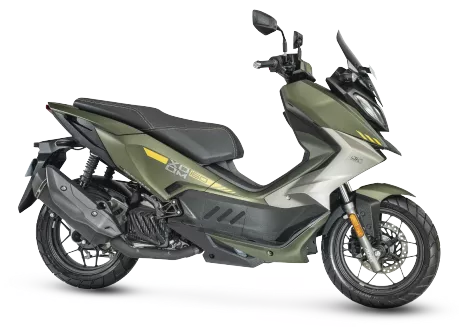
156 cc engine
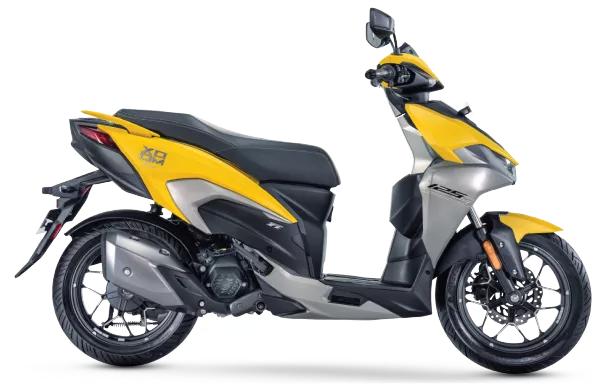
124.6 cc engine
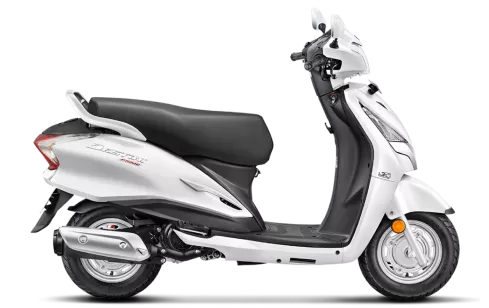
125 cc engine
124.6 cc engine
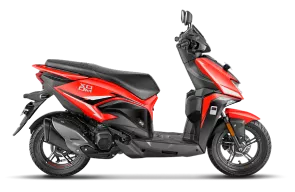
110.9 cc engine
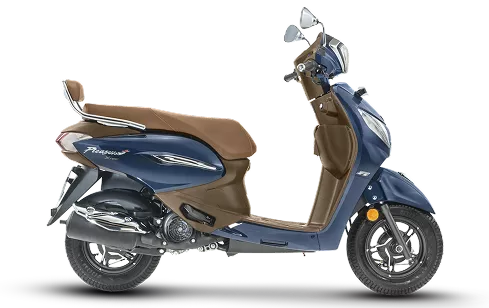
110.9 cc engine
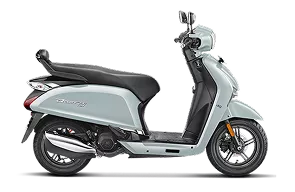
110 cc
Air Cooled, 4 stroke engine
8.7 nm
@5750 RPM
Starting ex-showroom price
Delhi, Delhi
156 cc
Liquid cooled, 4 Valve single cylinder SOHC
14 nm
@6250 RPM
Starting ex-showroom price
Delhi, Delhi
124.6 cc
Air Cooled, 4 stroke, SI
10.4 nm
@6000 RPM
Starting ex-showroom price
Delhi, Delhi
125 cc
Air cooled, 4 stroke, SI engine
10.4 nm
@5500 RPM
Starting ex-showroom price
Delhi, Delhi
124.6 cc
Air Cooled, 4-Stroke, SI Engine
10.36 nm
@5500 RPM
Starting ex-showroom price
Delhi, Delhi
110.9 cc
Air cooled, 4-stroke, SI engine
8.70 nm
@5750 RPM
Starting ex-showroom price
Delhi, Delhi
110.9 cc
Air cooled, 4-stroke Single Cylinder OHC
8.70 nm
@5500 RPM
Starting ex-showroom price
Delhi, Delhi
110 cc engine
156 cc engine
124.6 cc engine
125 cc engine
124.6 cc engine
110.9 cc engine
110.9 cc engine
110 cc
Air Cooled, 4 stroke engine
8.7 nm
@5750 RPM
156 cc
Liquid cooled, 4 Valve single cylinder SOHC
14 nm
@6250 RPM
124.6 cc
Air Cooled, 4 stroke, SI
10.4 nm
@6000 RPM
125 cc
Air cooled, 4 stroke, SI engine
10.4 nm
@5500 RPM
124.6 cc
Air Cooled, 4-Stroke, SI Engine
10.36 nm
@5500 RPM
110.9 cc
Air cooled, 4-stroke, SI engine
8.70 nm
@5750 RPM
110.9 cc
Air cooled, 4-stroke Single Cylinder OHC
8.70 nm
@5500 RPM


At Hero MotoCorp, risk management is a comprehensive, multi-layered system, fully in line with our Risk Management Policy and embedded in our core business strategy. It is designed to navigate a rapidly evolving landscape ranging from global strategic challenges to granular operational disruptions.
This integrated approach encompasses a robust Enterprise Risk Management (ERM) framework, specialized Functional risk management, proactive Business Continuity planning, and effective mitigation capabilities. By integrating these pillars, we ensure value protection while strategically capitalizing on opportunities, establishing a foundation for sustained industry leadership and resilience.
Hero MotoCorp's ERM framework is a strategic driver for sustainable growth, moving beyond mere compliance. In a volatile global business environment, this framework functions to identify, assess and mitigate potential threats before they materialize.
This ERM framework strengthens defenses against internal/ external shocks and allows us to leverage inherent opportunities, like those from technological shifts or regulatory changes, into competitive advantages.
Risk Governance and Oversight
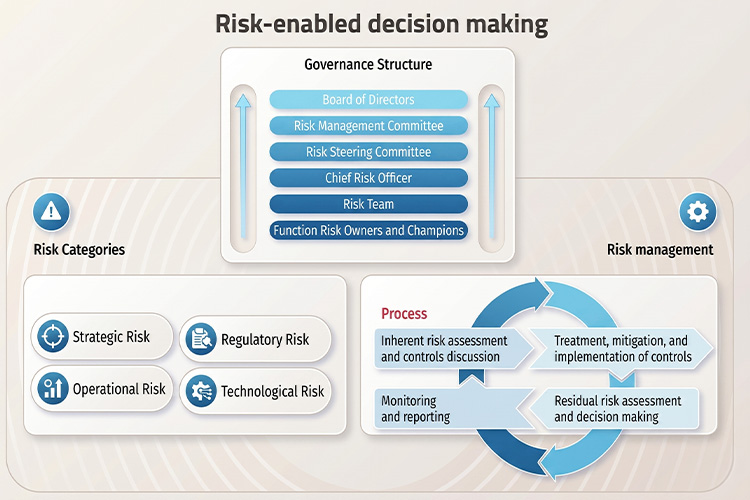
We maintain a robust, three-tiered governance structure to ensure that risk management is both comprehensive and objective.
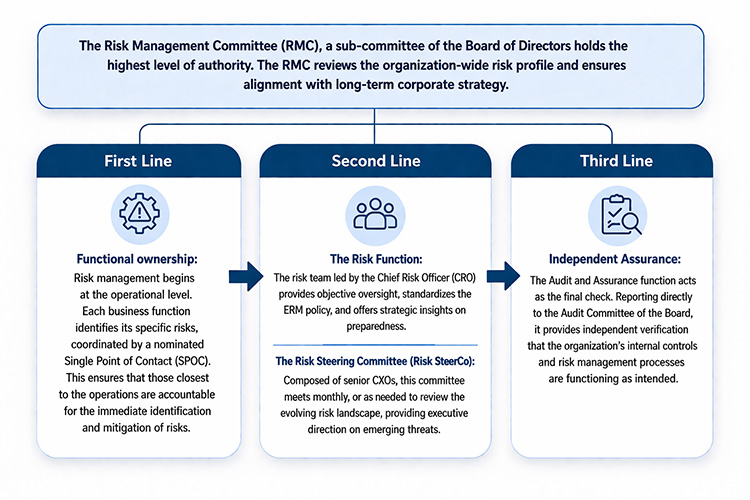
This risk governance structure ensures the strategic, enterprise-level integration of business functions by proactive identification and detailed assessment of potential risks, followed by the development and implementation of effective mitigation strategies. Continuous monitoring is then performed to guarantee the ongoing effectiveness of these mitigation actions.
Risk Management Process
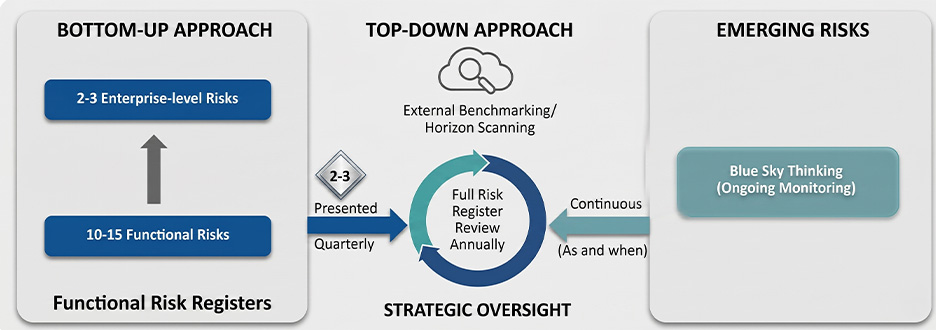
Risk management is embedded in our decision-making, this fosters risk awareness and the balance between pursuit of opportunity to value protection. Our proactive approach towards resilience is centered on a dynamic Enterprise Risk Register that captures the organization’s most business-critical risks. These risks are identified through a thorough bottom-up analysis with functional deep-dives, a top-down review with leadership and an outward-looking perspective that incorporates global benchmarks and analysis of macroeconomic trends.
To effectively manage each identified risk, the responsible business function (First Line) develops and executes a mitigation plan. A designated Single Point of Contact (SPOC), who serves as the Risk Representative for that function, collaborates with the Risk Function (Second Line) to oversee this process. This proactive approach to risk ensures seamless, sustainable operations, strengthens our robust risk framework, demonstrates our commitment to excellence, and sustains our industry leadership.
Our Risk Management processes are further subject to annual Internal Audits (Third Line) to verify ongoing adherence and effectiveness.
This strong commitment to robust risk management highlights our dedication to excellence and enhances our capacity to navigate future challenges, thereby preserving our leading position in the industry.
Hero MotoCorp's Risk Appetite Approach
We are in the process of establishing our Risk Appetite to systematically assess and delineate the level of risk that our organization is willing to undertake in pursuit of its strategic objectives. This approach is under development to evaluate the potential impact and probability of each identified risk, which will enable us to define precise tolerance levels.
Risks that pose an immediate and substantial threat to our operations or reputation will be assigned a low tolerance level, while risks integral to achieving our long-term strategic growth and innovation will be assigned a medium to high tolerance level, reflecting our considered willingness to embrace a greater degree of risk in these critical areas.
Risk Appetite thresholds are key to facilitating informed decision-making and prioritizing risks effectively. By ensuring that risk management strategies are aligned with the organization’s overarching strategic goals, we can optimize our overall risk management and mitigation efforts. This approach empowers us to strike a necessary balance: managing potential adverse consequences while capitalizing on opportunities, thereby undertaking the appropriate level of risk needed to achieve our objectives.
We will categorize the Risk Appetite for identified risks into five qualitative levels (Very Tolerant, Tolerant, Moderate, Averse, and Zero) aligning with quantitative Risk Tolerance levels (Most Probable: 25%-<50%, Probable (10%-<25%), Possible (5%-<10%), Occasional (2%-<5%), and Rare: <2%) for a consistent evaluation.
The established Risk Tolerance levels will be used as a benchmark to assess the potential impact and severity of all identified risks. This evaluation will detail the probability of an event occurring and will be conducted at both the inherent and residual risk levels.
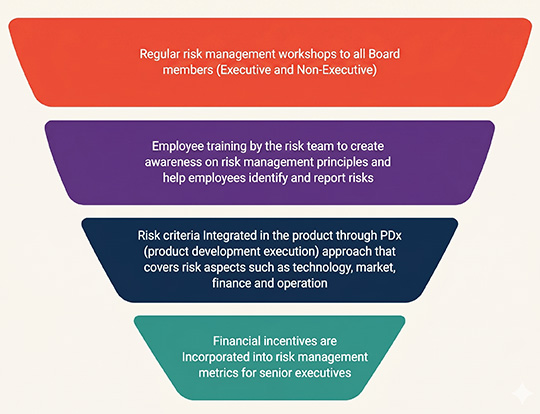
Fostering a robust, company-wide risk culture is essential for HMCL’s sustained growth, long-term resilience, and competitive edge. To embrace this crucial culture and continually improve our risk management capabilities, we execute a wide range of initiatives. Key among these are training programs designed to enhance risk-awareness and support informed decision-making throughout the organization.
We prioritize business continuity planning to ensure unwavering operations and strong organizational resilience. This involves close collaboration with all critical functions to develop robust contingency strategies, enabling us to remain resilient in an evolving environment. We evaluate overall business resilience, identify gaps, and assess risk sensitivity through annual and event-driven scenario-based simulations. These essential workshops train our response teams to maintain uninterrupted operations under any circumstances.
We maintain a transparent communication with the Leadership Team and the Risk Management Committee (RMC) via periodic updates. This continuous dialogue ensures that critical risk intelligence is integrated into strategic decision-making. In doing so, we establish a strong tone for our risk culture, embedding risk management as a fundamental component of both our daily operations and long-term strategy.
Learn more about our programs


 Angola
 Argentina
 Bangladesh
 Bolivia
 Columbia
 Costa Rica
 Dominican Republic
 DRC
DRC
 Ecuador
 El Salvador
 Ethiopia
 France
 GCC
GCC
 Germany
 Great Britain
 Guatemala
 Guinea
 Guyana
 Haiti
Haiti
 Honduras
 Italy
Italy
 Kenya
Kenya
 Madagascar
 Mexico
 Myanmar
 Nepal
Nepal
 Nicaragua
 Nigeria
 Panama
 Peru
Peru
 Philippines
 South Africa
 Spain
Spain
 Sri Lanka
 Tanzania
 Trinidad
 Turkey
 Uganda
 Zambia