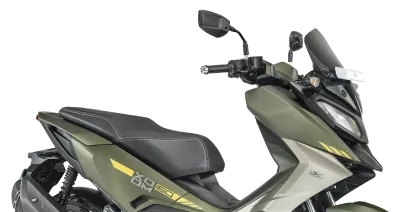
XTREME 160R 4V
163.2 cc engine

163.2 cc engine

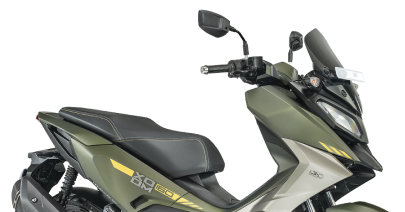
250 cc engine
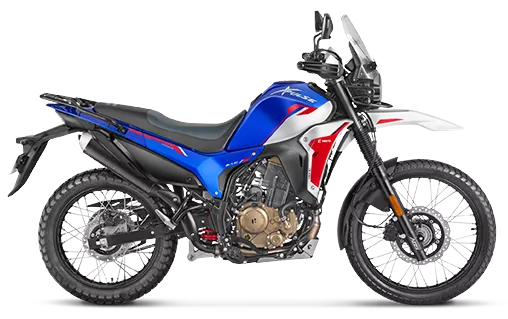
210 cc engine
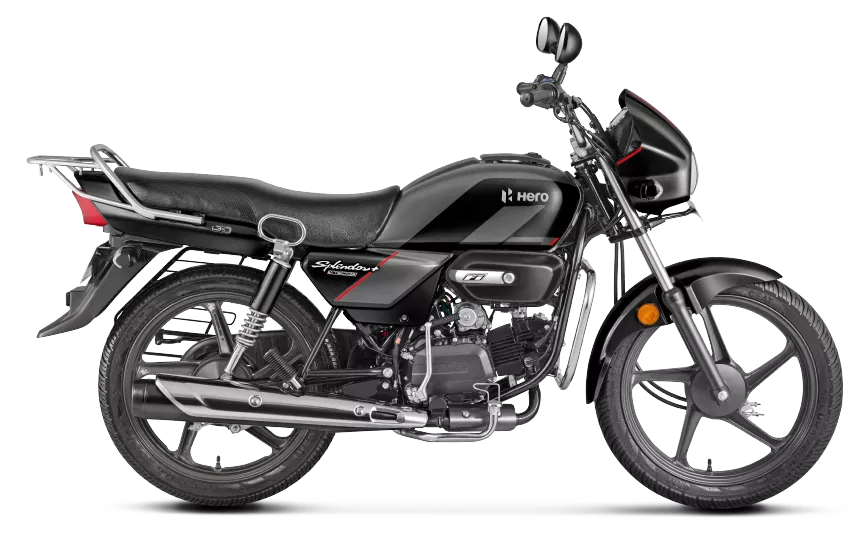
97.2 cc engine
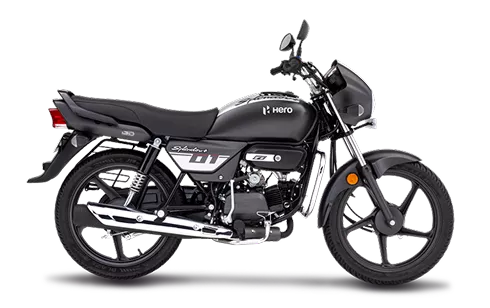
97.2 cc engine
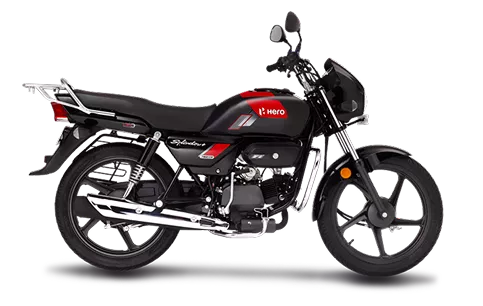
97.2 cc engine
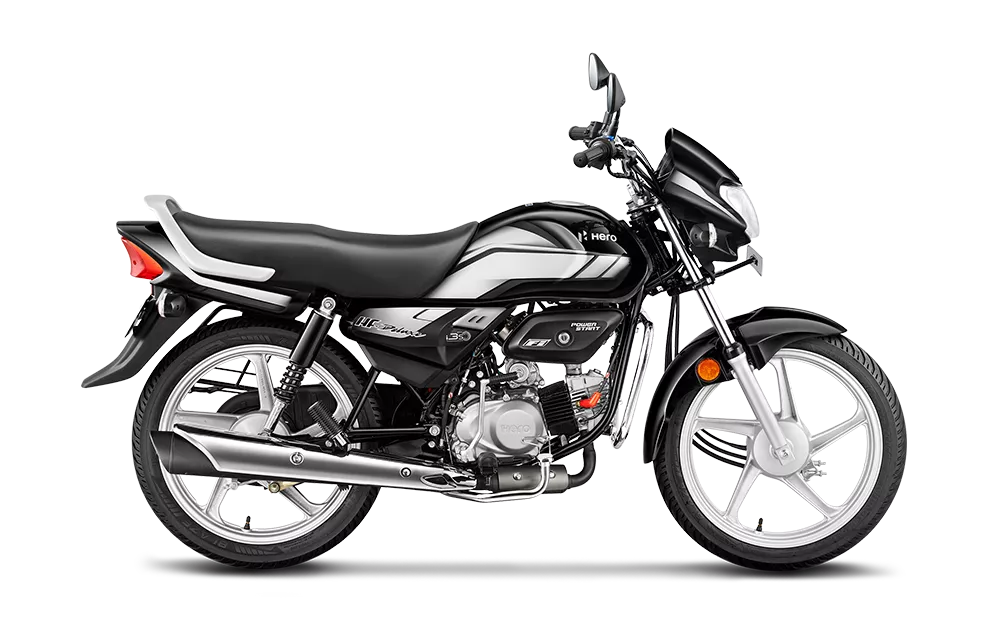
97.2 cc engine
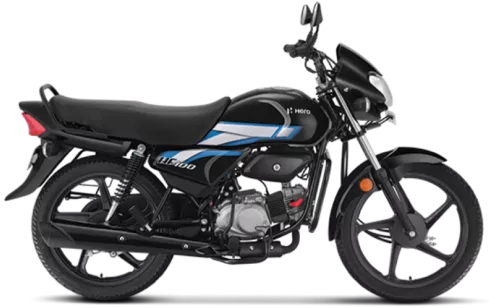
97.2 cc engine
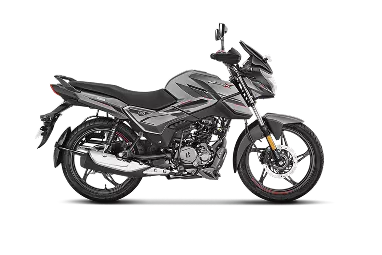
125 cc engine
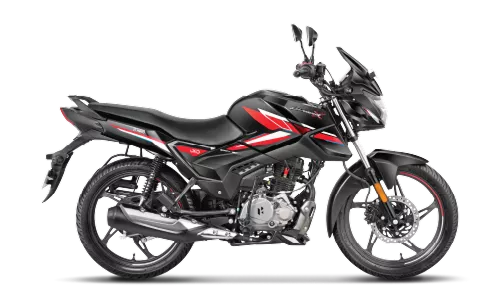
125 cc engine
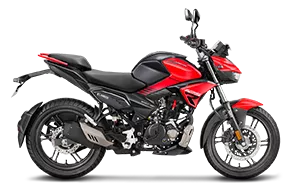
125 cc engine
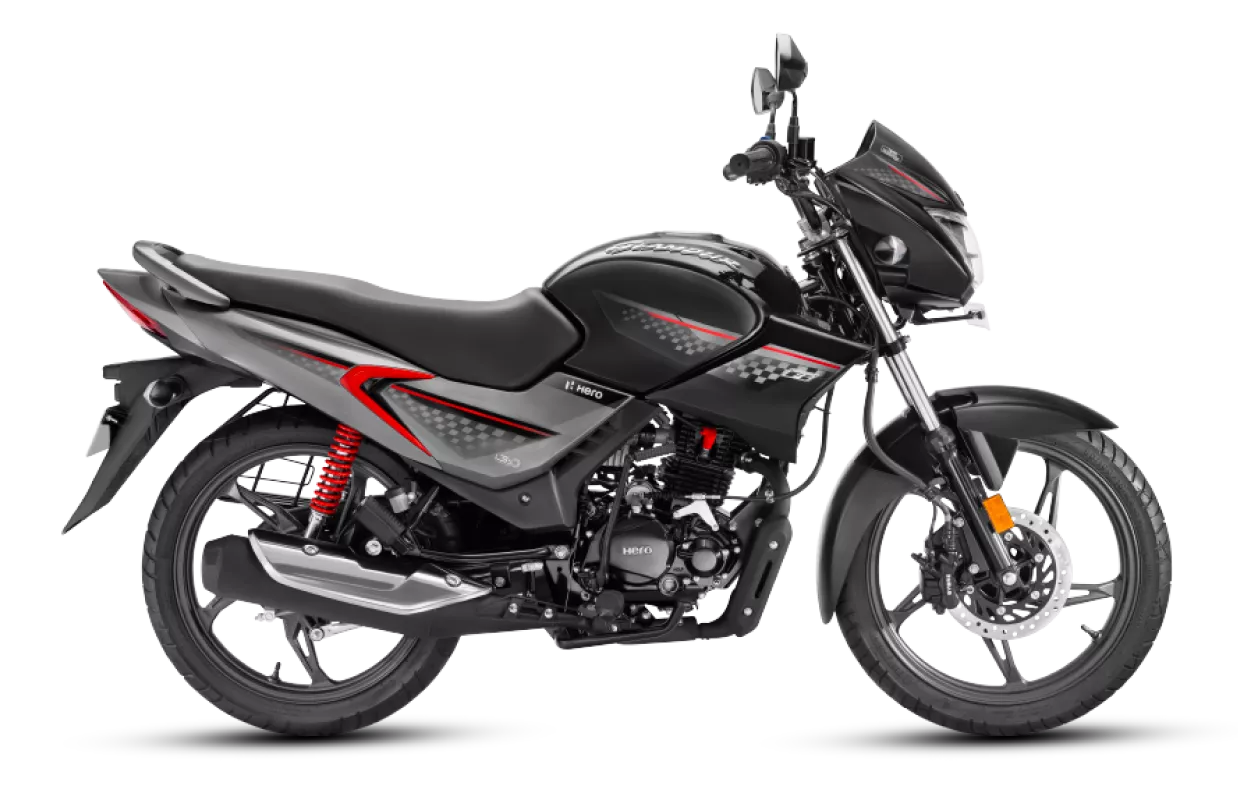
125 cc engine
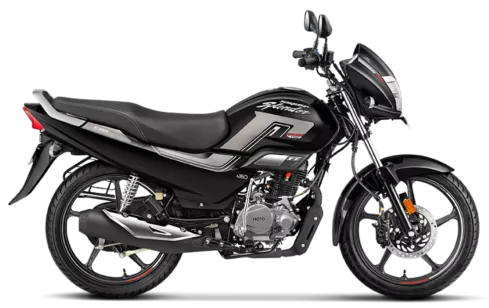
124.7 cc engine
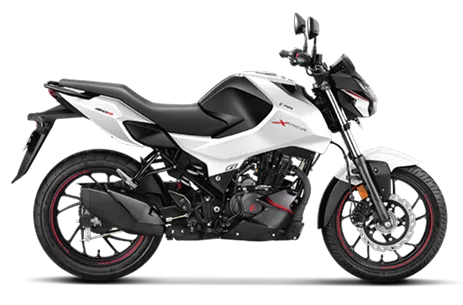
163.2 cc engine
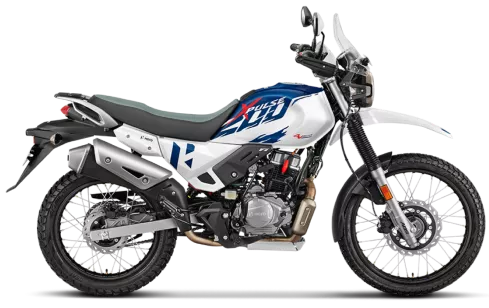
199.6 cc engine
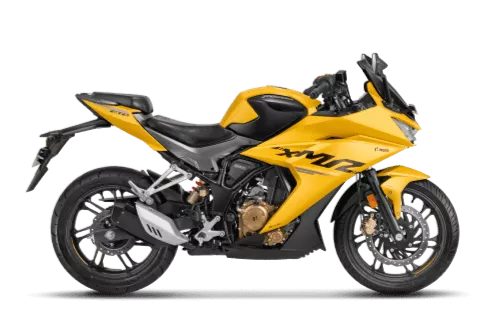
210 cc engine
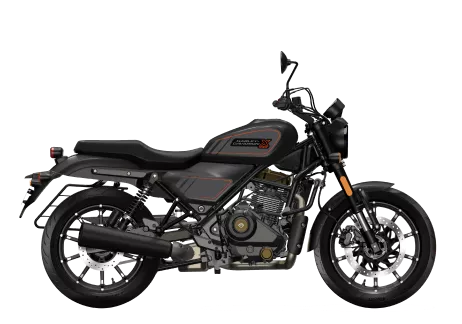
440 cc engine
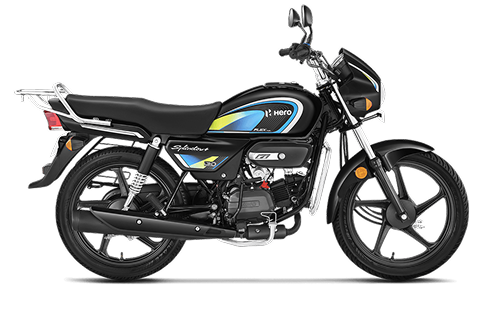
97.2 cc engine
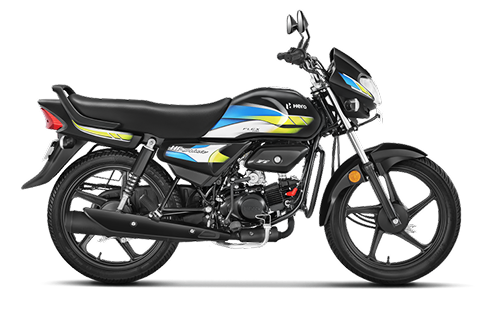
97.2 cc engine

97.2 cc engine
124.7 cc engine
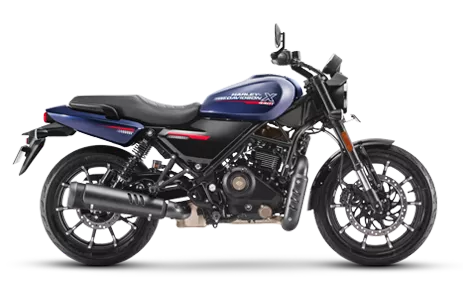
440 cc engine

163.2 cc
Air oil cooled, 4-stroke, Single cylinder, OHC
14.6 nm
@6500 RPM
Starting ex-showroom price
Delhi, Delhi

250 cc
4 Stroke, 4 Valve, Single Cylinder Liquid Cooled, DOHC
25 nm
@7250 RPM
Starting ex-showroom price
Delhi, Delhi
210 cc
4 Stroke 4 Valve Single Cylinder Liquid Cooled DOHC
20.7 nm
@7250 RPM
Starting ex-showroom price
Delhi, Delhi
97.2 cc
Air cooled, 4-stroke, Single cylinder, OHC
8.05 nm
@6000 RPM
Starting ex-showroom price
Delhi, Delhi
97.2 cc
Air cooled, 4-stroke, Single cylinder, OHC
8.05 nm
@6000 RPM
Starting ex-showroom price
Delhi, Delhi
97.2 cc
Air cooled, 4-stroke, Single cylinder, OHC
8.05 nm
@6000 RPM
Starting ex-showroom price
Delhi, Delhi
97.2 cc
Air cooled, 4-stroke, Single cylinder, OHC
8.05 nm
@6000 RPM
Starting ex-showroom price
Delhi, Delhi
97.2 cc
Air cooled, 4-stroke, Single cylinder, OHC
8.05 nm
@6000 RPM
Starting ex-showroom price
Delhi, Delhi
125 cc
Air cooled, 4-Stroke
8.5 kW
@8250 RPM
Starting ex-showroom price
Delhi, Delhi
125 cc
Air cooled, 4-Stroke
10.5 nm
@6500 RPM
Starting ex-showroom price
Delhi, Delhi
125 cc
5.7 sec, Acceleartion 0-60kmph
10.5 nm
@6500 RPM
Starting ex-showroom price
Delhi, Delhi
125 cc
Air cooled, 4-stroke, Single cylinder, OHC
10.6 nm
@6000 RPM
Starting ex-showroom price
Delhi, Delhi
124.7 cc
Air Cooled, 4-Stroke, OHC, Single Cylinder
10.6 nm
@6000 RPM
Starting ex-showroom price
Delhi, Delhi
163.2 cc
Air Cooled 4 stroke
14 nm
@6500 RPM
Starting ex-showroom price
Delhi, Delhi
199.6 cc
Oil Cooled, 4 stroke 4 Valve single cylinder OHC
17.35 nm
@6500 RPM
Starting ex-showroom price
Delhi, Delhi
210 cc
Liquid cooled, 4-stroke, Single cylinder, OHC
20.4 nm
@4000 RPM
Starting ex-showroom price
Delhi, Delhi
440 cc
Air cooled, 4-stroke, Single cylinder, OHC
38 nm
@4000 RPM
Starting ex-showroom price
Delhi, Delhi
97.2 cc
Air cooled, 4-stroke, Single cylinder, OHC
8.3 nm(with E85)
@ 6000 RPM
Starting ex-showroom price
Delhi, Delhi
97.2 cc
Air cooled, 4-stroke, Single cylinder, OHC
8.3 nm(with E85)
@ 6000 RPM
Starting ex-showroom price
Delhi, Delhi
97.2 cc
Air cooled, 4 stroke
8.05 nm
@6000 RPM
Starting ex-showroom price
Delhi, Delhi
124.7 cc
2V,Air cooled, 4 stroke single cylinder
10.6 nm
@ 6000 RPM
Starting ex-showroom price
Delhi, Delhi
440 cc
Air cooled, 4-stroke, Single cylinder, OHC
38 nm
@4000 RPM
Starting ex-showroom price
Delhi, Delhi

163.2 cc engine
250 cc engine
210 cc engine
97.2 cc engine
97.2 cc engine
97.2 cc engine
97.2 cc engine
97.2 cc engine
125 cc engine
125 cc engine
125 cc engine
125 cc engine
124.7 cc engine
163.2 cc engine
199.6 cc engine
210 cc engine
440 cc engine
97.2 cc engine
97.2 cc engine
97.2 cc engine
124.7 cc engine
440 cc engine
163.2 cc
Air oil cooled, 4-stroke, Single cylinder, OHC
14.6 nm
@6500 RPM
250 cc
4 Stroke, 4 Valve, Single Cylinder Liquid Cooled, DOHC
25 nm
@7250 RPM
210 cc
4 Stroke 4 Valve Single Cylinder Liquid Cooled DOHC
20.7 nm
@7250 RPM
97.2 cc
Air cooled, 4-stroke, Single cylinder, OHC
8.05 nm
@6000 RPM
97.2 cc
Air cooled, 4-stroke, Single cylinder, OHC
8.05 nm
@6000 RPM
97.2 cc
Air cooled, 4-stroke, Single cylinder, OHC
8.05 nm
@6000 RPM
97.2 cc
Air cooled, 4-stroke, Single cylinder, OHC
8.05 nm
@6000 RPM
97.2 cc
Air cooled, 4-stroke, Single cylinder, OHC
8.05 nm
@6000 RPM
125 cc
Air cooled, 4-Stroke
8.5 kW
@8250 RPM
125 cc
Air cooled, 4-Stroke
10.5 nm
@6500 RPM
125 cc
5.7 sec, Acceleartion 0-60kmph
10.5 nm
@6500 RPM
125 cc
Air cooled, 4-stroke, Single cylinder, OHC
10.6 nm
@6000 RPM
124.7 cc
Air Cooled, 4-Stroke, OHC, Single Cylinder
10.6 nm
@6000 RPM
163.2 cc
Air Cooled 4 stroke
14 nm
@6500 RPM
199.6 cc
Oil Cooled, 4 stroke 4 Valve single cylinder OHC
17.35 nm
@6500 RPM
210 cc
Liquid cooled, 4-stroke, Single cylinder, OHC
20.4 nm
@4000 RPM
440 cc
Air cooled, 4-stroke, Single cylinder, OHC
38 nm
@4000 RPM
97.2 cc
Air cooled, 4-stroke, Single cylinder, OHC
8.3 nm(with E85)
@ 6000 RPM
97.2 cc
Air cooled, 4-stroke, Single cylinder, OHC
8.3 nm(with E85)
@ 6000 RPM
97.2 cc
Air cooled, 4 stroke
8.05 nm
@6000 RPM
124.7 cc
2V,Air cooled, 4 stroke single cylinder
10.6 nm
@ 6000 RPM
440 cc
Air cooled, 4-stroke, Single cylinder, OHC
38 nm
@4000 RPM

110 cc engine
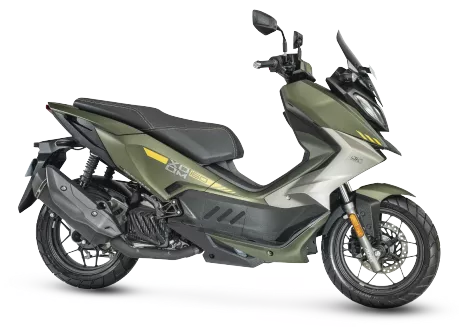
156 cc engine
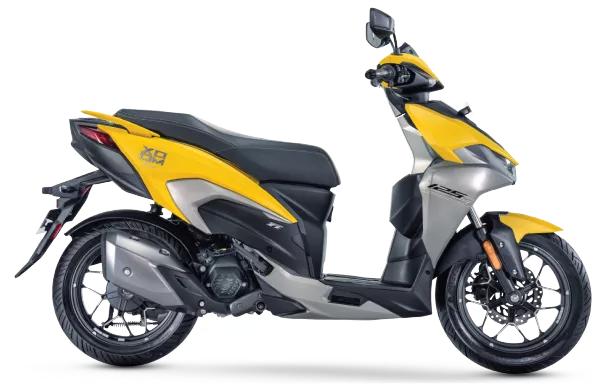
124.6 cc engine
125 cc engine
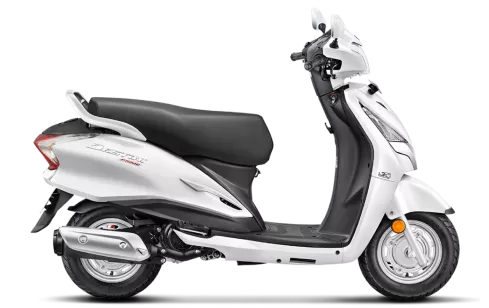
124.6 cc engine
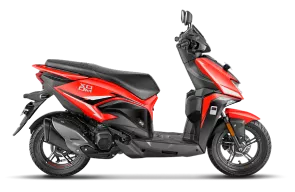
110.9 cc engine
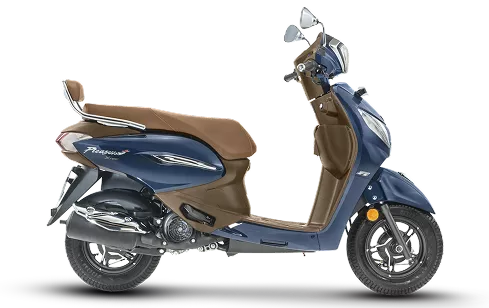
110.9 cc engine
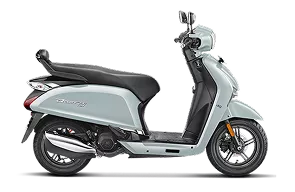
110 cc
Air Cooled, 4 stroke engine
8.7 nm
@5750 RPM
Starting ex-showroom price
Delhi, Delhi
156 cc
Liquid cooled, 4 Valve single cylinder SOHC
14 nm
@6250 RPM
Starting ex-showroom price
Delhi, Delhi
124.6 cc
Air Cooled, 4 stroke, SI
10.4 nm
@6000 RPM
Starting ex-showroom price
Delhi, Delhi
125 cc
Air cooled, 4 stroke, SI engine
10.4 nm
@5500 RPM
Starting ex-showroom price
Delhi, Delhi
124.6 cc
Air Cooled, 4-Stroke, SI Engine
10.36 nm
@5500 RPM
Starting ex-showroom price
Delhi, Delhi
110.9 cc
Air cooled, 4-stroke, SI engine
8.70 nm
@5750 RPM
Starting ex-showroom price
Delhi, Delhi
110.9 cc
Air cooled, 4-stroke Single Cylinder OHC
8.70 nm
@5500 RPM
Starting ex-showroom price
Delhi, Delhi
110 cc engine
156 cc engine
124.6 cc engine
125 cc engine
124.6 cc engine
110.9 cc engine
110.9 cc engine
110 cc
Air Cooled, 4 stroke engine
8.7 nm
@5750 RPM
156 cc
Liquid cooled, 4 Valve single cylinder SOHC
14 nm
@6250 RPM
124.6 cc
Air Cooled, 4 stroke, SI
10.4 nm
@6000 RPM
125 cc
Air cooled, 4 stroke, SI engine
10.4 nm
@5500 RPM
124.6 cc
Air Cooled, 4-Stroke, SI Engine
10.36 nm
@5500 RPM
110.9 cc
Air cooled, 4-stroke, SI engine
8.70 nm
@5750 RPM
110.9 cc
Air cooled, 4-stroke Single Cylinder OHC
8.70 nm
@5500 RPM


Hero MotoCorp has implemented an Environment policy based on ISO 14001, the international standard for environmental management systems, to minimize the adverse environmental impacts of our products and operations. We regularly review and update the policy to ensure alignment with the evolving business landscape and the diverse requirements of our stakeholders.
100% of our facilities are ISO 14001 certified
Environmental Policy
In FY26, we updated our environmental policy as part of our ongoing efforts to enhance environmental performance through ecofriendly management and minimize negative environmental impacts across our entire value chain. This policy applies to all employees, business partners, suppliers, and other relevant stakeholders, and we expect their full compliance and adherence to its principles.
Environmental Management Governance
We have established a robust governance system to identify and manage significant environmental issues through regular and close communication with our stakeholders.
Role of the Sustainability and Corporate Social Responsibility Committee (SCSR)The Board-level Sustainability and Corporate Social Responsibility Committee (SCSR) serves as the highest decision-making authority on environmental matters. The committee receives regular reports on environmental management performance, key risk factors, and improvement initiatives, and provides recommendations to enhance our environmental practices. The SCSR Committee oversees the implementation of environmental practices, assesses the effectiveness of our Company's sustainable development framework in addressing current and future challenges, and ensures its adequacy. Additionally, the Committee monitors and approves the allocation of resources to support our Company's sustainability roadmap and conducts quarterly reviews of environmental performance and targets.
Role of the Sustainability Steering Committee (SteerCo)The Sustainability Steering Committee (SteerCo) is responsible for making decisions on environmental aspects and implementing the organization's environmental management plan. They play a pivotal role in driving innovation, planning resources, and guiding key stakeholders in the implementation of various environmental protection programs, both within and outside the Company.
Role of the Sustainability Core TeamThe Sustainability Core Team drives our Company's environmental agenda, with responsibilities that include setting targets, consulting with leadership and functional teams, monitoring and reporting on environmental progress, and disclosing performance against sustainability indices. . The team also provides support to plant-level teams in implementing and maintaining environmental management systems.
Role of Plant-level TeamsThe plant-level teams are responsible for developing and maintaining an environmental management system, including increasing environmental efficiency, reducing environmental footprint, identifying hazards, and addressing grievances. These teams play a critical role in ensuring that our operations are environmentally responsible and sustainable.
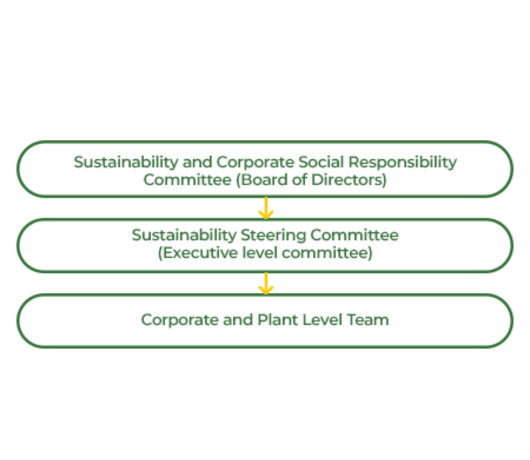
Implementation of Environment Management System
HMCL has established a comprehensive framework to effectively manage environmental aspects and impacts. We have a robust mechanism in place to identify and comply with all applicable regulatory requirements, ensuring adherence to statutory requirements and environmental regulations through regular engagement with relevant authorities.
Empowering Our People for the Planet
Our employees drive our environmental stewardship. We ensure 100% of our team remains industry-leading through quarterly training and strategic guidance on emerging standards and best practices.
Key Training Areas Include:
Emissions & Air: Greenhouse gas reduction and air quality management.
Resource Conservation: Waste management and water conservation.
Compliance: Environmental impact assessments and regulatory standards.
Proven Environmental Excellence
At HMCL, responsible operations aren't just a goal—they are our track record. We have maintained zero environmental violations for five consecutive years, demonstrating our unwavering commitment to sustainability in an increasingly resource-constrained world.
By prioritizing stewardship today, we are minimizing our footprint to ensure a healthier environment for future generations.
| Criteria | FY21 | FY22 | FY23 | FY24 | FY25 | FY26 |
|---|---|---|---|---|---|---|
| Number of violations of legal obligation/regulation | 0 | 0 | 0 | 0 | 0 | 0 |
| Amount of fines/Penalties related to the above (INR) | 0 | 0 | 0 | 0 | 0 | 0 |
| Environmental liability accrued at year end (INR) | 0 | 0 | 0 | 0 | 0 | 0 |
As the automotive sector transforms to meet a low-carbon future, we are committed to reducing our environmental footprint through rigorous energy management and clean technology.
100% of our facilities are ISO 50001 certified
We optimize our operations through a comprehensive, results-driven program focused on:
Energy Audit Methodology
At Hero MotoCorp, we carry comprehensive energy audits; detailed analysis includes data collection and analysis to uncover potential energy-saving opportunities for our facilities. We follow the following steps while carrying out energy audits:-
Energy Conservation Initiatives
As we continue to expand, our energy demands are expected to rise. To support sustainable growth, we are focusing on enhancing energy efficiency and shifting towards renewable energy sources. This strategic approach enables us to reduce our environmental impact, mitigate climate-related risks, and lower energy expenses. Through comprehensive internal and external energy audits, we identify and execute energy-saving initiatives that drive efficiency and reinforce our dedication to sustainable development. We have set an ambitious yearly target of achieving a 2% energy saving of total energy demand, and we are successfully meeting this goal.
Renewable Energy
Renewable energy is important in energy management, particularly for the automotive sector, because it drives the profound transformation needed to minimize energy consumption and mitigate greenhouse gas emissions. As one of the world's most substantial energy consumers, the industry's shift towards sustainable and energy-efficient practices is essential to reduce its environmental footprint, improve energy efficiency, and promote eco-friendly technologies that support a low-carbon economy.
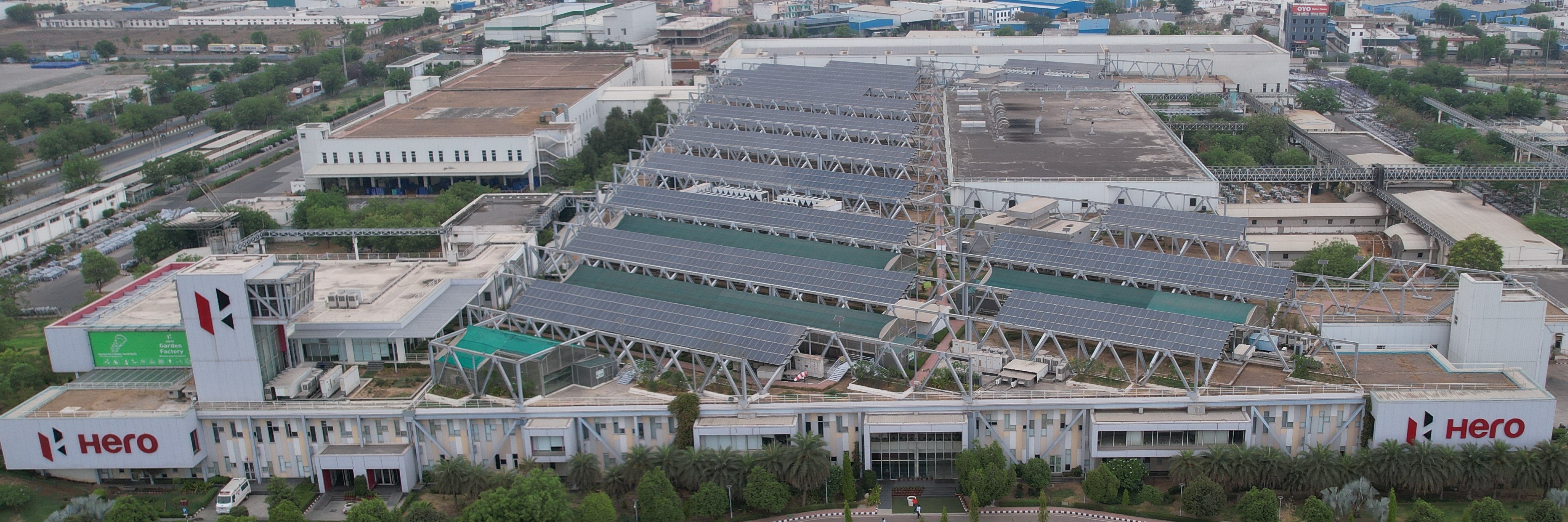
Hero MotoCorp's strategy for renewable energy is a commitment to reducing reliance on nonrenewable energy sources and embracing clean energy solutions through:
Continuous Monitoring
We utilize a Utility Cockpit to provide real-time visibility into the consumption of power, water, and air. This enables a shift from reactive cost monitoring to a model of proactive utility governance. The system supports real-time operational intelligence, monitoring consumption against baseline data to quickly identify inefficiencies and abnormal usage. We also ensure rigorous monitoring of switching off lights, fans, and machines during breaks and non-production hours by providing efficient controls.
Culture of Awareness
We prioritize building a sustainable culture by providing energy efficiency training to our employees to raise awareness of energy consumption reduction. This is part of our comprehensive training and awareness programs, which are conducted quarterly. These programs aim to equip our workforce with the knowledge to lead energy-saving initiatives through guidance on emerging environmental concerns, laws, standards, and best practices
Investments in Research and Development
At Hero MotoCorp, we recognize the importance of innovation and Research and Development (R&D) in facilitating energy conservation and sustainable operational practices. As a proactive organization, we are dedicated to investing in advanced technological solutions that mitigate our environmental impact while simultaneously fostering corporate growth. The Hero MotoCorp Centre for Innovation and Technology (CIT), located in Jaipur, represents the company's premier facility for research and development.
In alignment with our energy reduction objectives, the organization has directed substantial capital toward R&D initiatives, including:

Water stewardship is central to Hero MotoCorp's sustainability initiatives, as emphasized by our Water policy. We have achieved 500% water positivity in FY ‘25.
Our strategy balances operational efficiency with community welfare to ensure water positivity across all manufacturing locations. We minimize freshwater withdrawals to safeguard local supplies and maintain zero wastewater discharge
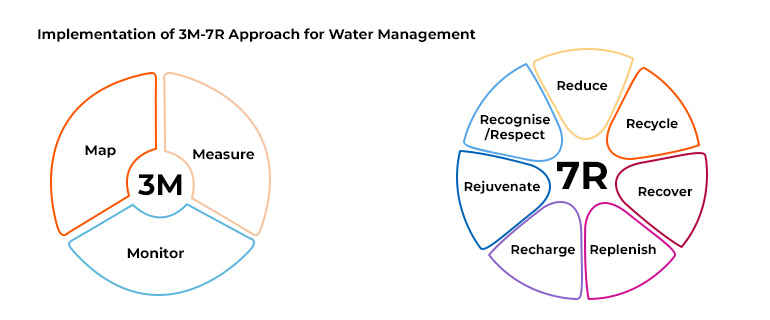
We have also implemented a 3M-7R approach for water management, encompassing measurement, mapping, monitoring, and a range of conservation and reuse strategies to minimize water consumption across our plants.
Hero MotoCorp has been honored with the prestigious 6th National Water Award (Best Industry category) by the Ministry of Jal Shakti for its exceptional water conservation efforts and achieving 500% water positivity..
Water Use Assessment
Given our operations' significant reliance on groundwater, we prioritize sustainable water management. To achieve this, the company mandates comprehensive water audits every two years. These audits are conducted by certified auditors such as Confederation of Indian Industry (CII) and approved by the Central Ground Water Authority (CGWA).
The audits include but not limited to:
Water Management Programs
Our Water Management Programs are designed with a holistic approach to ensure water positivity across all our manufacturing locations, thereby safeguarding this essential resource for both our operations and the local communities. The core of these programs is our 3M-7R approach (measurement, mapping, monitoring, and a range of conservation and reuse strategies).
Key components of our comprehensive program include:
Actions to reduce water consumption:
Our commitment to water positivity across manufacturing locations drives us to continually enhance water efficiency and reduce consumption. We have undertaken several initiatives aimed at lowering the use of both process and non-process water at our plants. These include implementing water-efficient technologies and executing targeted projects focused on conservation and responsible water management.
Actions to improve Wastewater Quality:
All our manufacturing facilities operate as Zero Liquid Discharge (ZLD) units, which means that no wastewater is discharged beyond plant boundaries.
Our Sewage Treatment Plants (STPs) and Effluent Treatment Plants (ETPs) are designed to recycle and treat both domestic and industrial wastewater for reuse in various non-potable applications, such as gardening, flushing, and cooling tower operations. These systems help us reduce dependency on freshwater sources while maintaining operational efficiency.
We strictly comply with CPCB and SPCB norms for wastewater treatment across all facilities. Regular internal monitoring and independent third-party audits ensure consistent adherence to discharge standards and process efficiency.
Establishment of Targets to Reduce Water Use:
At HMCL, we had set an ambitious target of achieving a water positivity rate of 500% by 2025. We are proud to share that we are the only two-wheeler organization that has achieved this milestone across the globe. Furthermore, all our manufacturing plants are now water positive, reinforcing our strong commitment to water stewardship.
Employee Awareness and Training Program
We drive sustainability through a culture of water consciousness, utilizing interactive workshops, on-site technical demonstrations, and cross-functional task forces. By rewarding employee innovation and embedding conservation into our daily operations, we turn informed stewardship into measurable environmental impact.
Gurgaon Plant awarded "Gold Rating" under CII Blue Rating System. Hero Motocorp becomes the first company in Indian Automobile industry to receive this recognition.
Hero MotoCorp achieved 100% zero waste-to-landfill status across its operations in FY24, reaching this milestone one year ahead of schedule. For FY25 & FY26, we have maintained our zero waste-to-landfill status.
100% of our facilities are zero waste-to-landfill certified
Zero Waste to Landfill Journey of our Plants
Waste Management Process
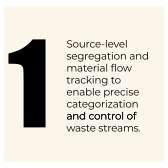
Our waste management systems have realized a diversion rate exceeding 99%, effectively eliminating operational waste sent to landfills or incineration. This achievement supports systemic innovation in material recovery and contributes directly to the advancement of the circular economy framework. The waste management program has been structured around a data-driven, systems-based approach.
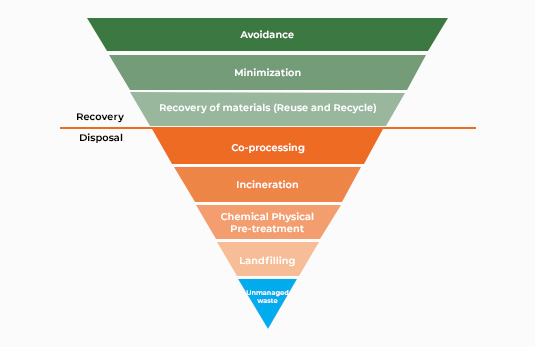
Our Waste Management Hierarchy
Our waste management approach follows the established hierarchy to minimize environmental impact:
This hierarchy guides our commitment to sustainable and responsible waste management.
Waste Audit
As part of our commitment to sustainability, we conducted a comprehensive waste audit to understand our waste generation patterns, identify areas for improvement, and develop strategies to minimize waste. The audit is conducted yearly and covers all locations.
Waste Generation Overview
The waste generated is categorized into plastic, e-waste, biomedical, construction and demolition (C&D), and radioactive waste, with the distribution highlighting the nature and scale of different operational activities.
Effective waste disposal and recovery are integral to our sustainability strategy. The company prioritizes recycling and reuse to reduce raw material consumption and environmental impact. Non-recyclable waste is managed through advanced recovery methods such as co-processing, which allows for energy recovery and safe disposal. Incineration is used responsibly for specific hazardous waste, ensuring regulatory compliance and emission control. Importantly, Hero MotoCorp has achieved zero waste to landfill, demonstrating its commitment to a circular economy and responsible waste stewardship.
Hero MotoCorp is the first automotive company to achieve Single-Use Plastic (SUP) Free certification across all offices and facilities. By eliminating 21 types of non-biodegradable SUPs, we have proactively mitigated ecological risks and set a new sustainability benchmark for the industry.
HMCL is transforming local plastic waste into durable roads at our Dharuhera, Gurgaon, and Tirupati plants. This innovative circular economy initiative mitigates plastic pollution while delivering high-performance infrastructure.
Waste Diversion: Removes significant volumes of plastic from local communities, fostering a cleaner environment.
Enhanced Durability: Recycled plastic creates resilient, long-lasting roads that require less maintenance than traditional materials.
Community Engagement: Empowers local residents through waste collection and sustainability education.
Resource Efficiency: Provides a cost-effective alternative to conventional materials while lowering disposal costs.

We believe that sustainability begins with informed and engaged employees. To this end, we implement comprehensive education and training initiatives tailored to instill a culture of Environment management, Energy efficiency, water management and waste management across all levels of our workforce. Periodic employee awareness training programs are being conducted.
These programs include.
Learn more about our programs


 Angola
 Argentina
 Bangladesh
 Bolivia
 Columbia
 Costa Rica
 Dominican Republic
 DRC
DRC
 Ecuador
 El Salvador
 Ethiopia
 France
 GCC
GCC
 Germany
 Great Britain
 Guatemala
 Guinea
 Guyana
 Haiti
Haiti
 Honduras
 Italy
Italy
 Kenya
Kenya
 Madagascar
 Mexico
 Myanmar
 Nepal
Nepal
 Nicaragua
 Nigeria
 Panama
 Peru
Peru
 Philippines
 South Africa
 Spain
Spain
 Sri Lanka
 Tanzania
 Trinidad
 Turkey
 Uganda
 Zambia