







Buying a motorcycle can feel surprisingly complicated these days. With so many options available, it's easy to get caught up in specifications, features, and promotional offers. But before you compare models and visit showrooms, there's one important question to ask yourself:
What do you actually need your bike to do every day?
The answer matters more than most people realize.
A motorcycle that works perfectly for a delivery rider may not be ideal for a commuter. Likewise, a bike designed for long-distance travel may be unnecessary for someone who only rides short city routes. The best purchase decision starts with understanding your daily routine and matching it to the right machine.
Let's explore how to choose the ideal two wheeler based on your lifestyle and riding needs.
Start with Your Daily Travel Distance
One of the easiest ways to narrow down your options is by considering how far you ride each day.
Do you travel short distances within your neighbourhood? Do you spend hours on the road for work? Or do you regularly cover long routes between cities and towns?
The more accurately you understand your riding pattern, the easier it becomes to choose the right motorcycle.
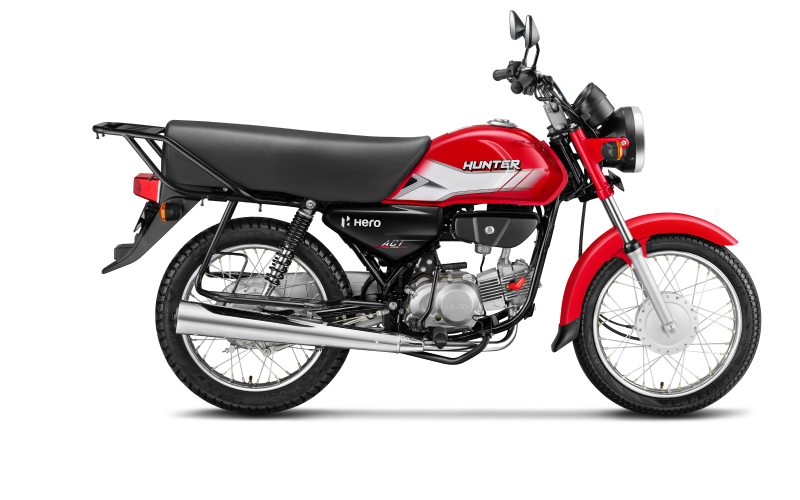
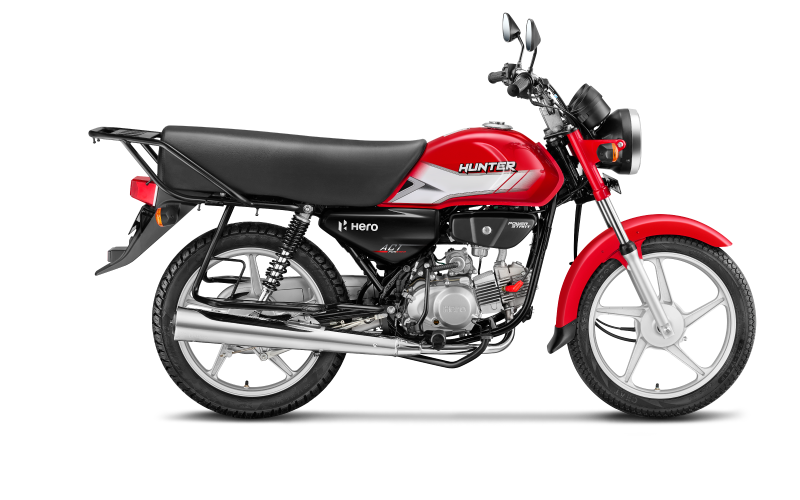
The Hunter 100: Ideal for Everyday Practicality
If your daily rides are relatively short and your priorities are affordability, simplicity, and fuel economy, the Hunter 100 is worth considering.
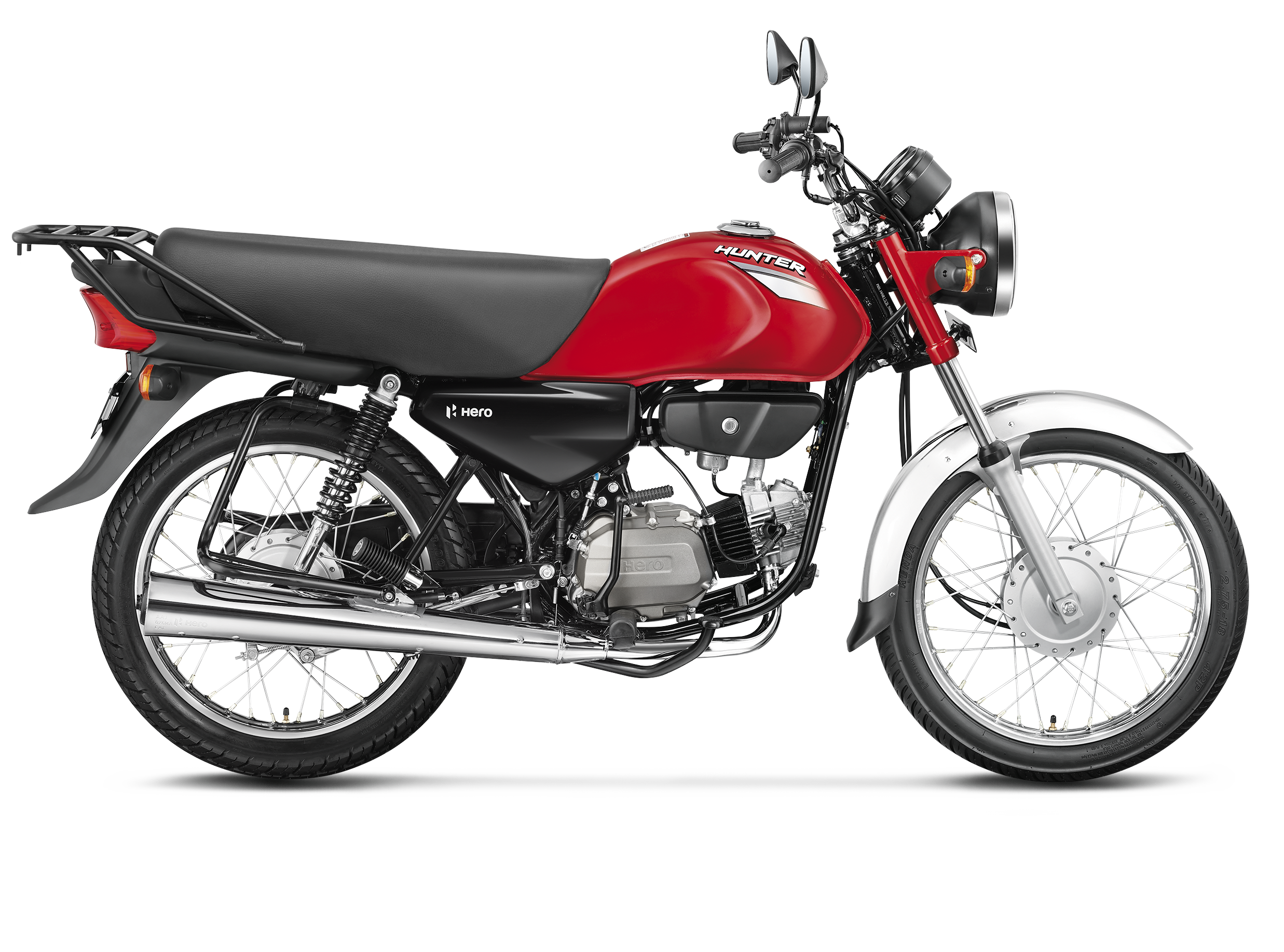
Powered by a 97.2 cc engine, it produces 5.74 kW (7.7 bhp at 7500 rpm), providing dependable performance for everyday transportation. Whether you're commuting to work, running errands, or managing local deliveries, the bike offers enough capability without feeling excessive.
Many riders who focus on reducing running costs and maximizing the best bike mileage often prefer motorcycles in this category because they provide practical transportation while keeping ownership costs manageable.
For students, small business owners, and first-time riders, the Hunter 100 offers a sensible starting point
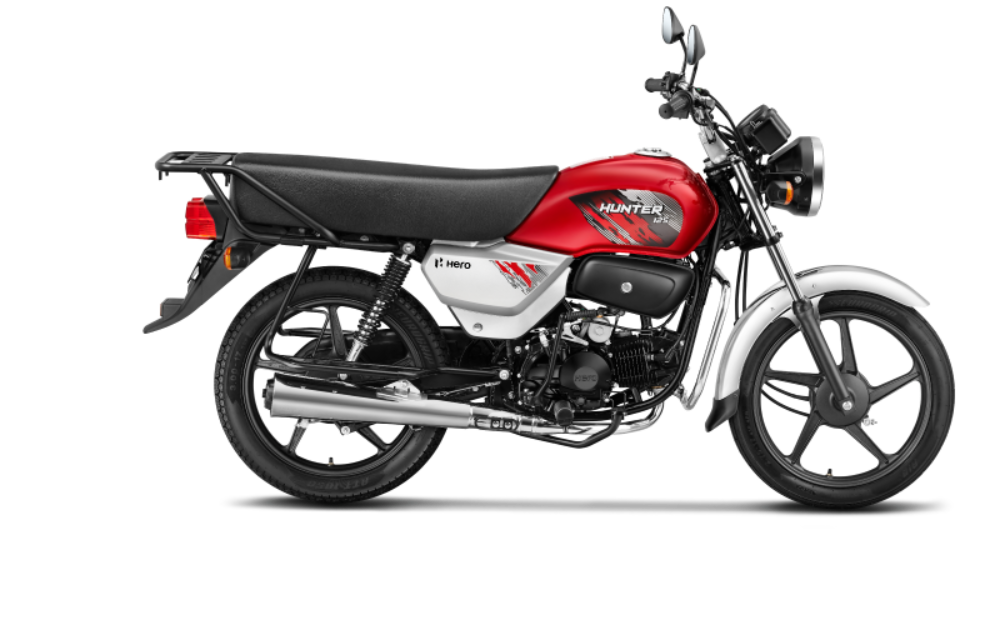
The Hunter 125: The Balanced Choice
Not every rider falls into the "basic commuter" category.
Some riders need a little more power and flexibility while still maintaining good efficiency. That's where the Hunter 125 enters the picture.
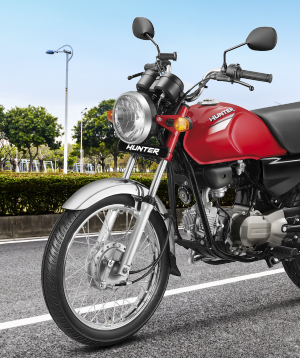
Featuring a 124.7 cc engine producing 6.72 kW (9 BHP) at 7000 rpm, the motorcycle strikes a comfortable balance between performance and practicality.
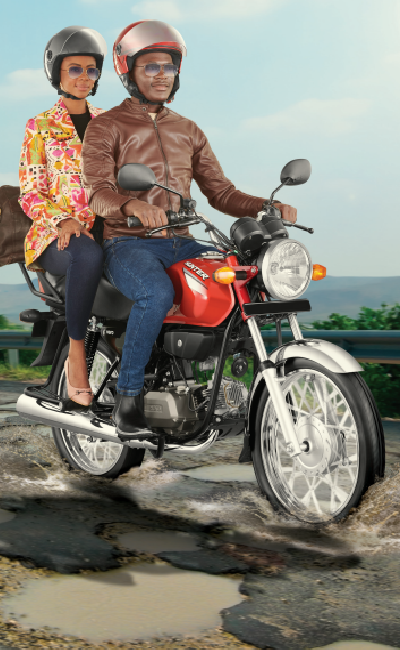
The additional power makes it suitable for riders who frequently carry passengers, transport goods, or cover longer daily distances. It offers enough capability to handle a variety of riding situations while remaining approachable and economical.
If you're looking for a motorcycle that can adapt to multiple roles, the Hunter 125 provides a strong middle-ground option.
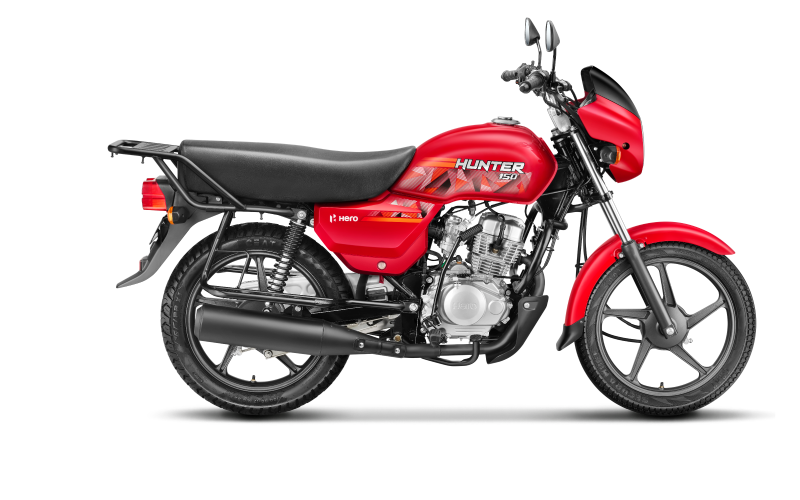
The Hunter 150: Built for Bigger Demands
For riders whose motorcycles play a major role in their livelihood, additional power can make a significant difference.
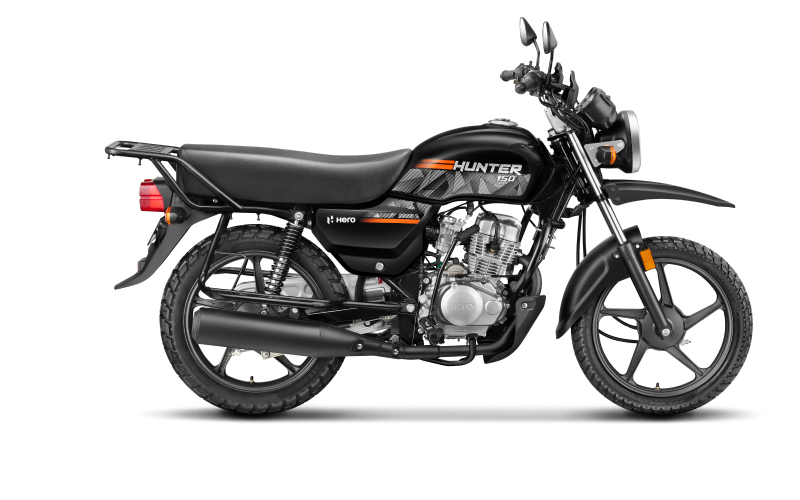
The Hunter 150 is powered by a 149.1 cc engine delivering 10.0 kW (13.4 BHP) at 8000 rpm. This makes it the most powerful option among the three models.
The added performance is particularly valuable for riders who regularly travel longer routes, carry heavier loads, or spend extended hours on the road.
Commercial riders, transport operators, and business owners often appreciate the extra capability because it helps the motorcycle handle demanding workloads more comfortably.
When your motorcycle is an important tool for productivity, having sufficient power becomes a practical advantage rather than a luxury.
Don't Focus Only on the Purchase Cost
A common mistake many buyers make is comparing motorcycles based only on the bike price displayed in the showroom.
While affordability matters, long-term ownership costs deserve equal attention.
Fuel consumption, servicing requirements, spare parts availability, and maintenance expenses all contribute to the total cost of ownership. A slightly more expensive motorcycle may ultimately save money if it proves more reliable and efficient over time.
Similarly, comparing the motor bike price between models is useful, but it should be only one part of the decision-making process.
Choose a Brand with Strong Support
After-sales service is often overlooked until it's needed.
Choosing a reliable motorcycle company in Nigeria can provide access to genuine spare parts, trained technicians, and a dependable service network. These factors play a major role in ensuring a smooth ownership experience.
The support available after purchase can be just as important as the motorcycle itself.
The right motorcycle isn't necessarily the biggest, cheapest, or most powerful option available.
It's the one that aligns with your daily routine and helps make life easier. The Hunter 100 offers practical simplicity, the Hunter 125 delivers balanced versatility, and the Hunter 150 provides the power needed for more demanding applications.
By understanding your needs before making a purchase, you'll be far more likely to choose a motorcycle that serves you well for years to come.
FAQs
1. Which Hunter model is best for first-time riders?
The Hunter 100 is a great choice for beginners due to its practical performance and ease of use.
2. Is the Hunter 125 suitable for carrying passengers?
Yes, its balanced power output makes it suitable for both personal and utility-focused riding.
3. Who should consider the Hunter 150?
Riders who travel longer distances or use their motorcycle for commercial purposes may benefit from its additional power.
4. Why is engine displacement important?
Engine displacement often influences power output, load-carrying capability, and overall riding performance.
5. Should I choose a motorcycle based only on price?
No. Fuel efficiency, maintenance costs, reliability, and after-sales support are equally important considerations.


 Angola
 Argentina
 Bangladesh
 Bolivia
 Colombia
 Costa Rica
 Dominican Republic
 DRC
 Ecuador
 El Salvador
 Ethiopia
 GCC
 Guatemala
 Guinea
 Guyana
 Haiti
 Honduras
 India
 Kenya
 Madagascar
 Mexico
 Myanmar
 Nepal
 Nicaragua
 Panama
 Peru
 Philippines
 South Africa
 Sri Lanka
 Tanzania
 Trinidad
 Turkey
 Uganda
 Zambia