








Have you ever wondered what it would feel like to ditch the daily Okada ride and finally own your own motorcycle? The thought is exciting and one filled with freedom, flexibility, and long-term savings.
But before you take that leap from passenger to proud owner, have you asked yourself what is the most popular motorcycle in Nigeria?
Let’s break it down, step-by-step, so you can make a confident and informed decision.
1. Why Own a Motorcycle in the First Place?
Sure, Okadas are everywhere. They're quick, cheap, and seemingly convenient. But aren’t there days when you just wish you didn’t have to negotiate a fare or wait for a rider to become available?
Owning a bike gives you control. Whether you’re navigating Lagos traffic, delivering goods, or simply running errands, a personal motorcycle saves time and empowers independence. But is every motorcycle built for Nigeria's unique terrain and purpose? That’s the real question.
2. What’s Your Primary Need—Business or Personal?
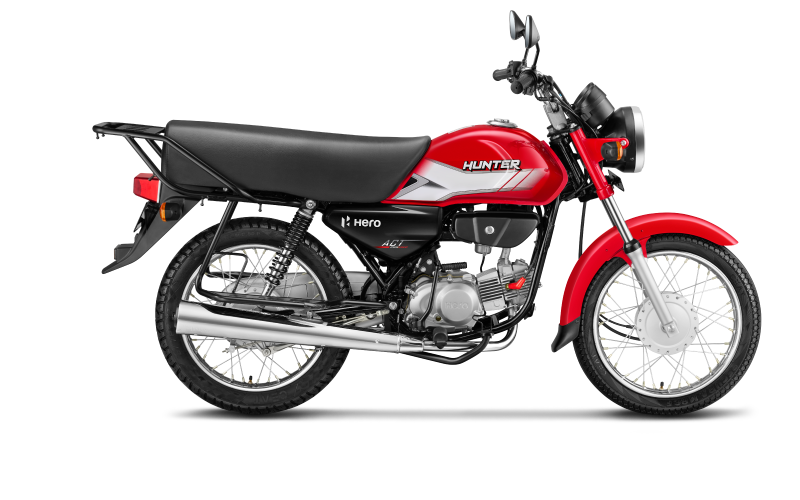
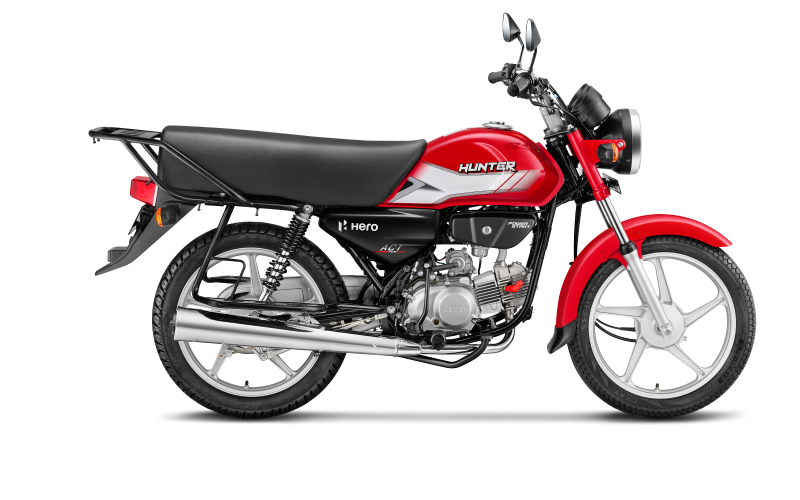
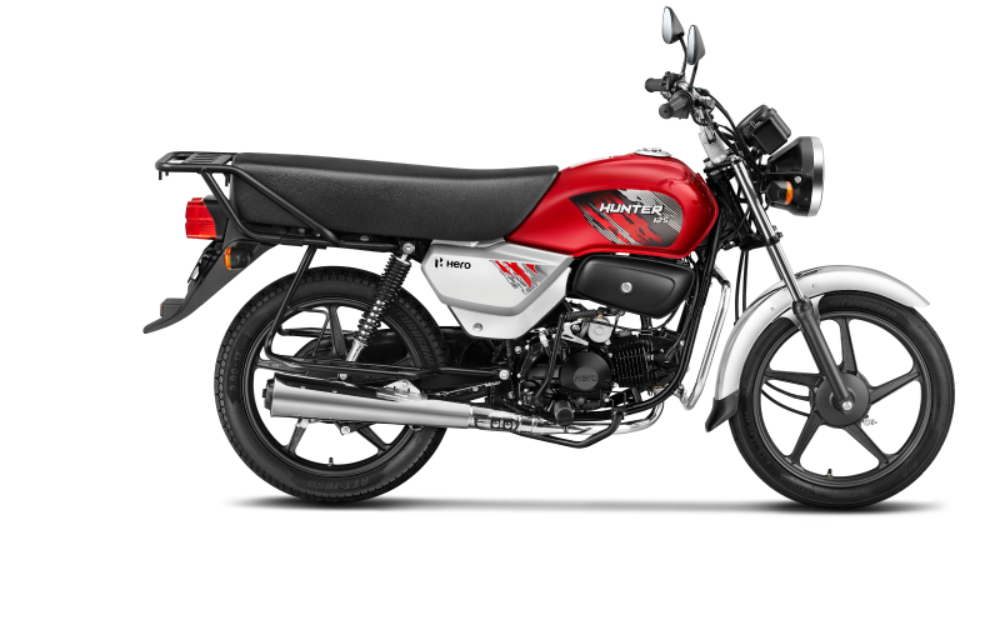
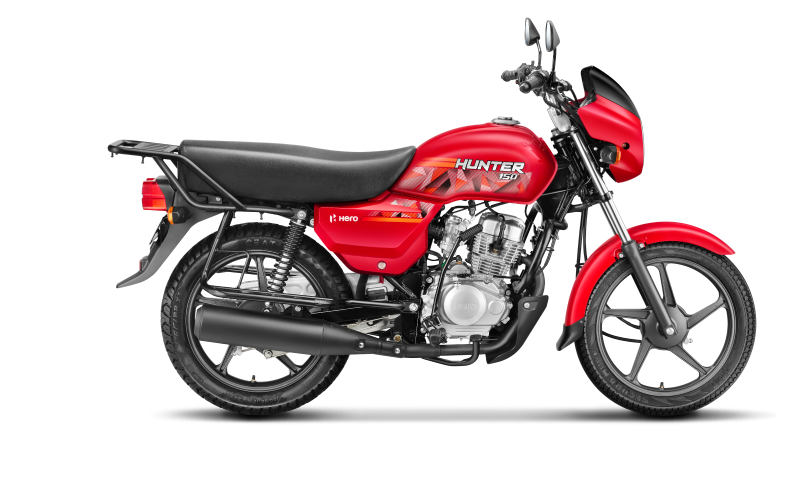
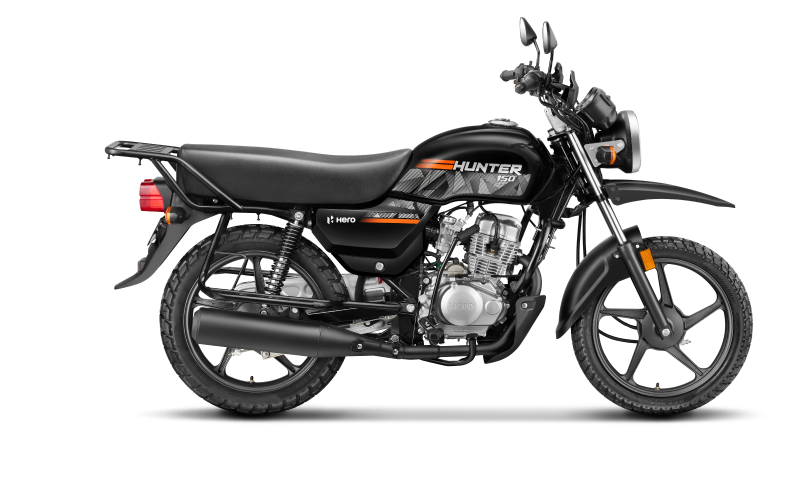
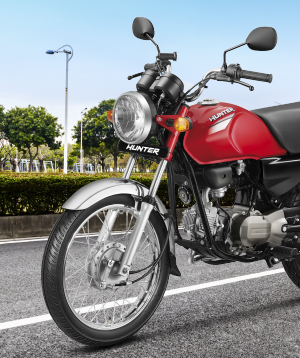
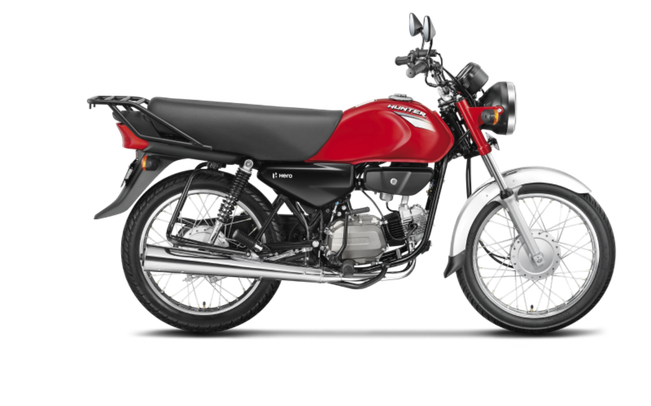
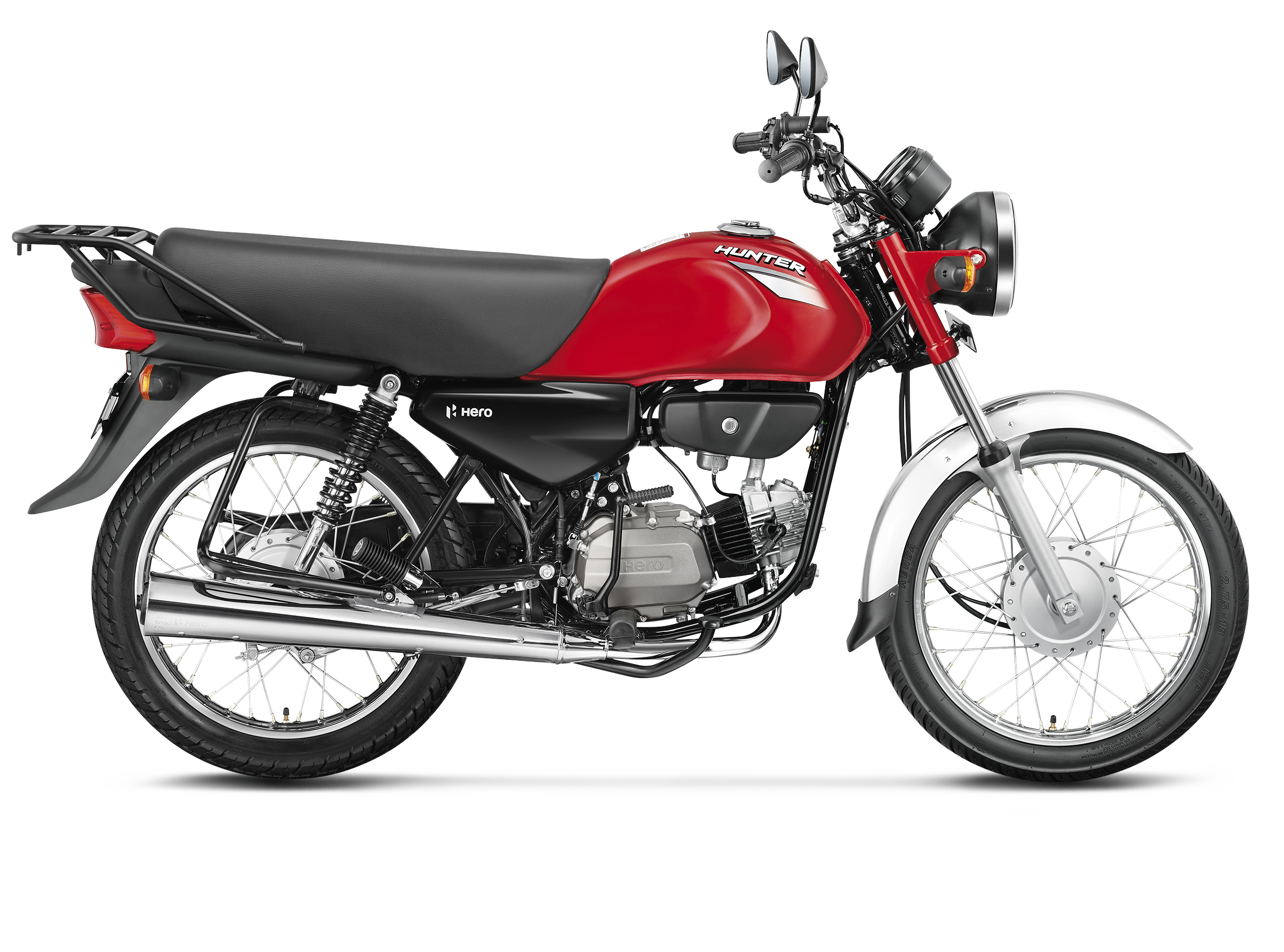
In Nigeria, motorcycles serve different functions. Are you buying for commercial purposes or personal use? For commercial riders, especially those in delivery or passenger transport, our Hero Hunter 100,100ES, and 125 models are strong contenders. Why? Because they are rugged, fuel-efficient, and low on maintenance.
But how do you decide which one is right for you? The Hunter 100 is great for beginners or lighter loads, while the Hunter 125 offers more power and sturdiness for daily, long-hour use. And if you prefer electric start ease, the 100ES could be your go-to.
3. Do You Know the Terrain You’ll Ride On?
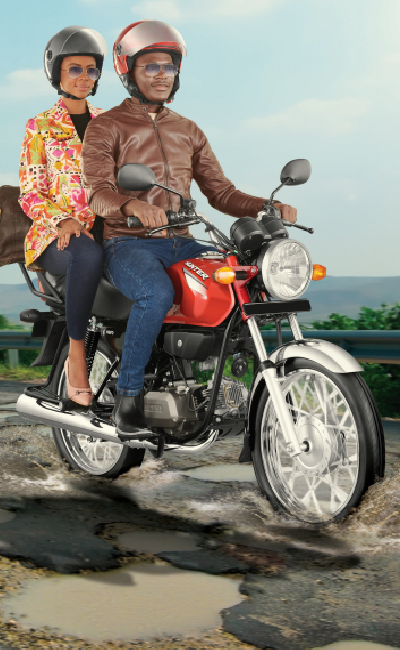
Nigeria’s roads can be unpredictable going from smooth highways in one moment and potholes and gravel in the next. So, are Hero motorcycles suitable for Nigerian roads?
Absolutely. Hero bikes are built tough, with strong suspension and reliable engines that can handle both city streets and rural routes. Whether you’re in Abuja, Kano, or Port Harcourt, you’ll need a bike that won’t quit on you midway. So don’t just go for looks but choose durability.
4. What About Fuel Economy and Maintenance?
If you’re switching from Okada to ownership, you probably want to cut down your daily transport costs. But is the motorcycle you’re eyeing fuel-efficient? Does it come with easy service access?
This is where the Hunter series shines. They’re built for Nigerian users who need efficiency and easy access to parts. And here’s a tip: always check for genuine spare parts availability in your area. This can save you big bucks in the long run.
5. Do You Understand the Culture Behind “Okada”?
If you're curious, why are motorcycles called Okada in Nigeria? The term comes from the defunct Okada Air, a local airline known for its speed. Locals began comparing motorcycle taxis to the airline because of their ability to manoeuvre quickly through traffic, and the name stuck.
It’s more than a name but a culture. But now, you're not just catching a ride as you’re making an investment.
6. What’s the Most Popular Motorcycle in Nigeria Right Now?
What is the most popular motorcycle in Nigeria? While preferences vary by region, bikes used for commercial purposes dominate the roads. Models like our Hero Hunter 125 are gaining momentum for their toughness and cost-effectiveness. Riders trust them to get the job done—day in, day out.
Ready to Own Your Ride?
Before buying, ask yourself: Is this bike fit for my lifestyle? Does it meet my daily needs? Can I rely on it for the long haul?
Switching from Okada to ownership is more than just buying a bike. It’s a move toward freedom, savings, and empowerment. So take your time, ask the right questions, and ride into your next chapter with confidence.


 Angola
 Argentina
 Bangladesh
 Bolivia
 Colombia
 Costa Rica
 Dominican Republic
 DRC
DRC
 Ecuador
 El Salvador
 Ethiopia
 GCC
GCC
 Guatemala
 Guinea
 Guyana
 Haiti
Haiti
 Honduras
 India
India
 Kenya
Kenya
 Madagascar
 Mexico
 Myanmar
 Nepal
Nepal
 Nicaragua
 Panama
 Peru
Peru
 Philippines
 South Africa
 Sri Lanka
 Tanzania
 Trinidad
 Turkey
 Uganda
 Zambia